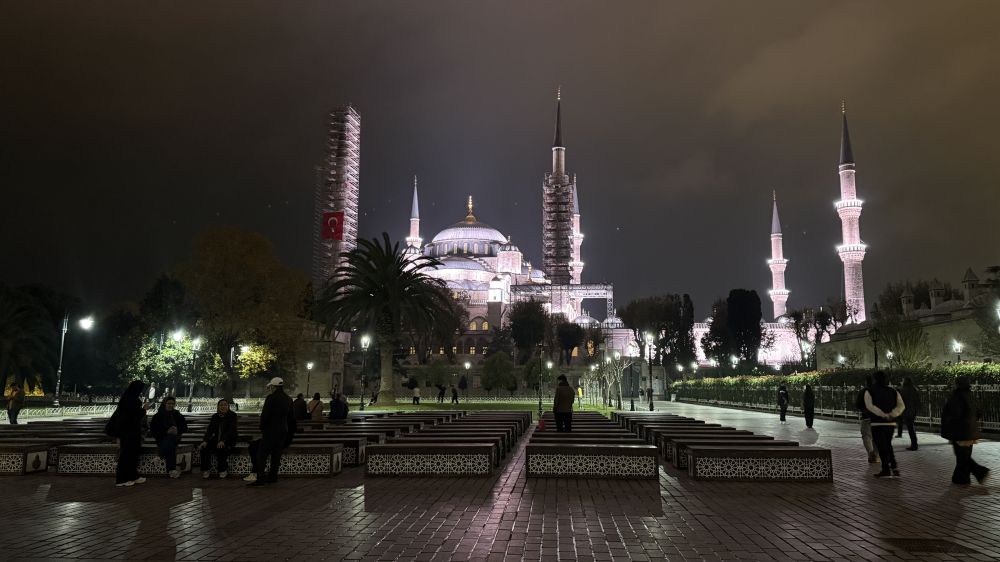
We arrived from Amman at night, expecting to find our airport driver holding a sign at the exit. Instead, the pickup arranged through Ctrip required us to follow messages to a roadside meeting point and send a selfie so the driver could recognize us. The license plate in the earlier message did not necessarily match the car eventually assigned. I would confirm the current vehicle and a direct contact before leaving the terminal. The ride to the old city took nearly fifty minutes—my first reminder of Istanbul’s size.
A small base in the old city
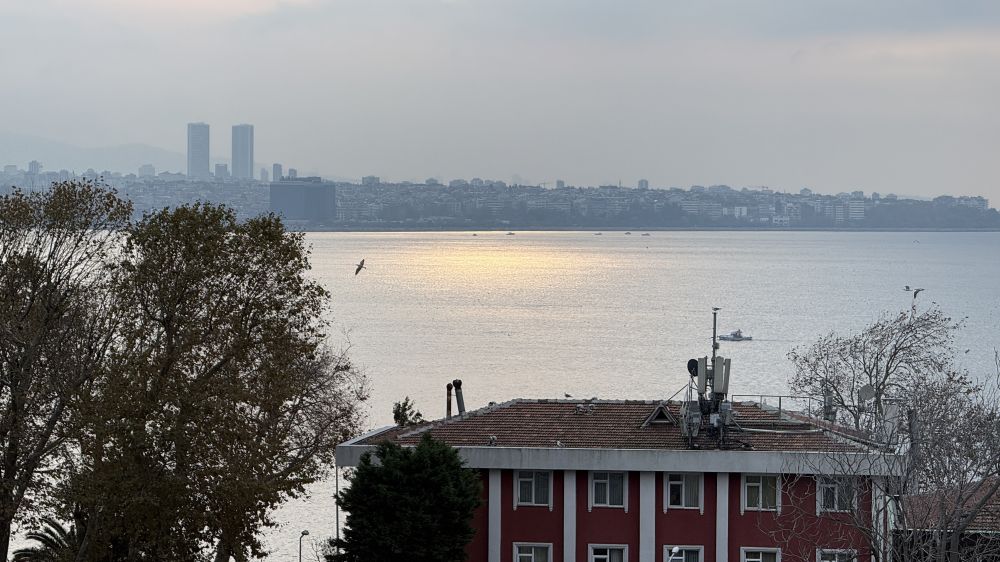
Our hotel near Topkapi Palace and Hagia Sophia was listed modestly, but it had an attentive staff, a comfortable if small room, a generous breakfast with a sea view, and even a pool, sauna, gym and hammam. Many major sights were within a fifteen-minute walk. I read about the traditional bath downstairs but chose not to try it; its rituals and the close contact involved were more than I wanted on this visit.
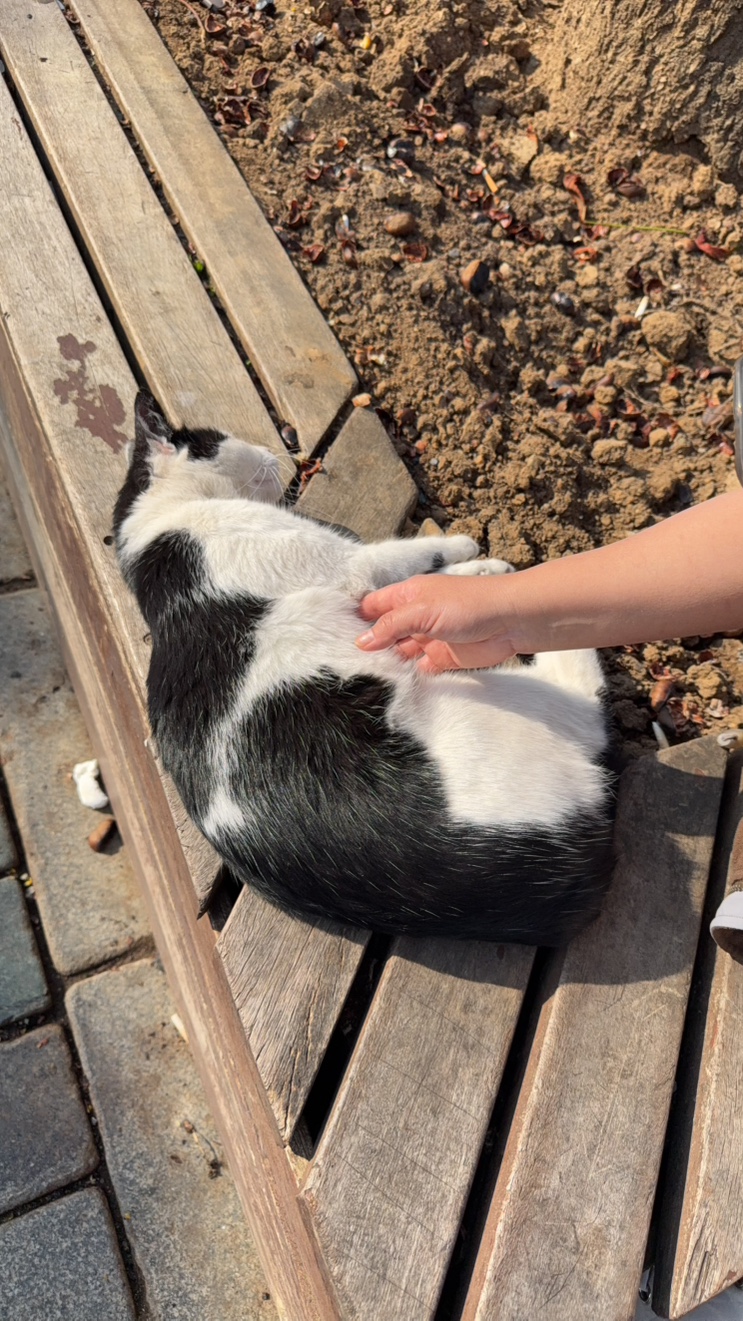
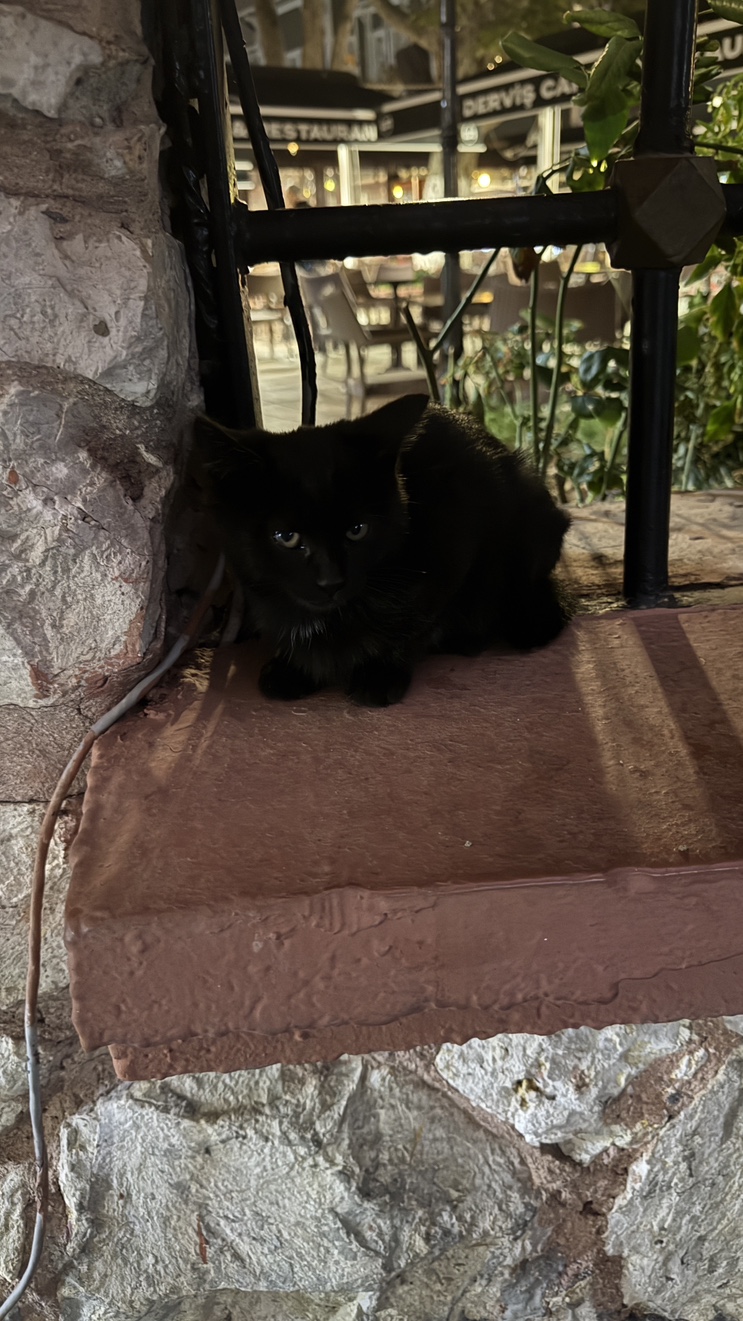
What stayed with me most about Istanbul was not a monument. It was the cats. They rested on mosque steps, wandered past cafés and shared the streets with everyone else. People left food and water for them. We have cats at home, so the sight felt especially familiar. My son had once told me that he wanted to visit this famously cat-friendly city. This time we went ahead of him; next time he can meet them himself.
A day between underground halls and two continents
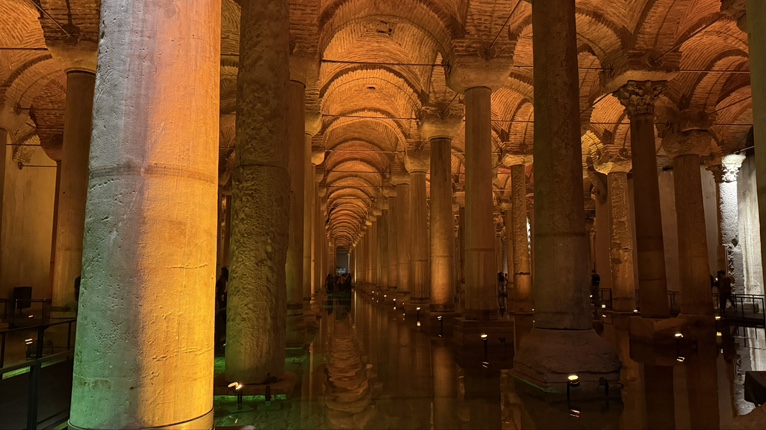
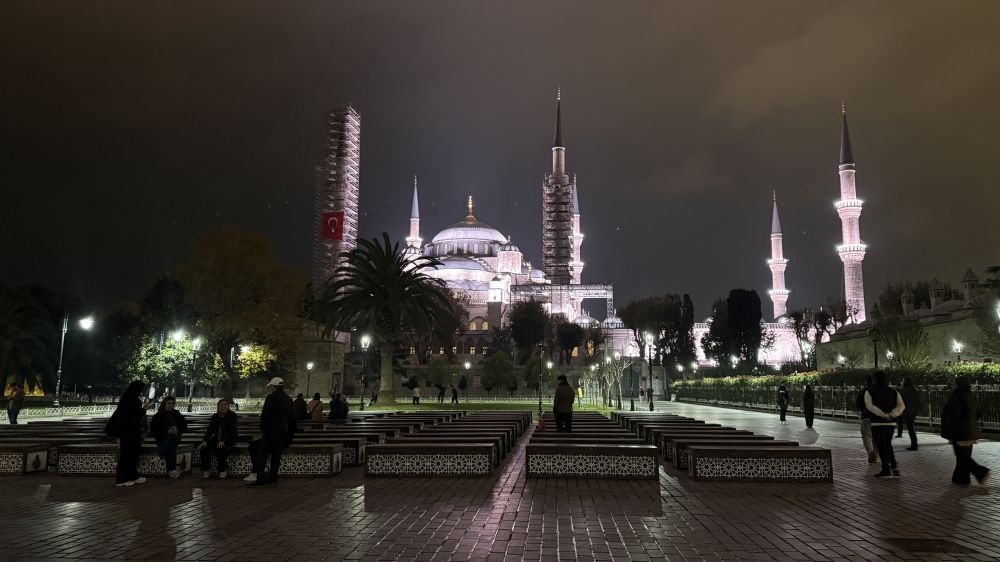
The Basilica Cistern was among the most distinctive places on our entire journey: dim light, ranks of columns and reflections trembling on the water. Hagia Sophia showed a different layering of history. Built as a Byzantine cathedral, later used as a mosque, then a museum and now a mosque again, it holds Christian imagery and Islamic calligraphy within one vast building. At the Blue Mosque we slowed down and sat with the quiet scale of the space.
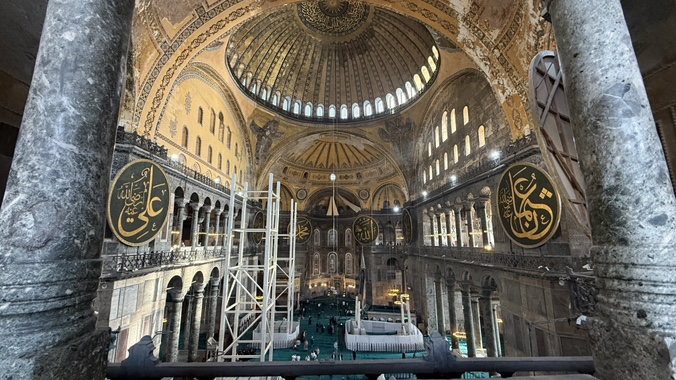
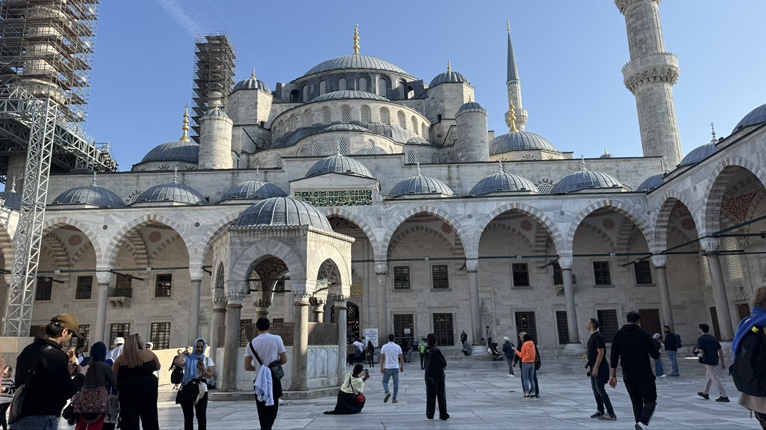
Around the major sights we saw different ways to buy entry: a cheaper line on site, costlier advance options, and local agents offering quicker access. We used a local ticket seller after an entrance worker confirmed that the arrangement was acceptable. He also took the Jordanian currency we had left and gave us Turkish change. I would verify current rules and official prices before relying on any such arrangement; it was simply what worked on our visit.
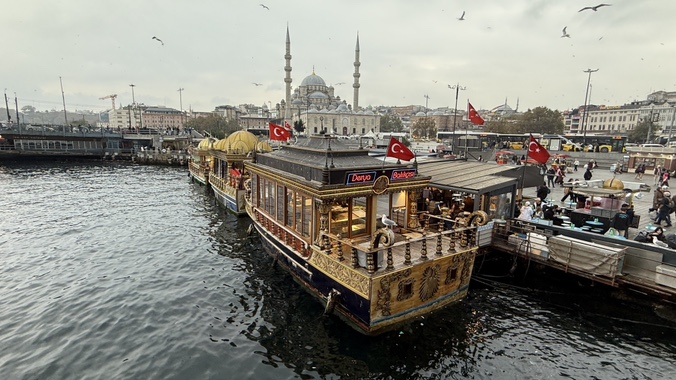
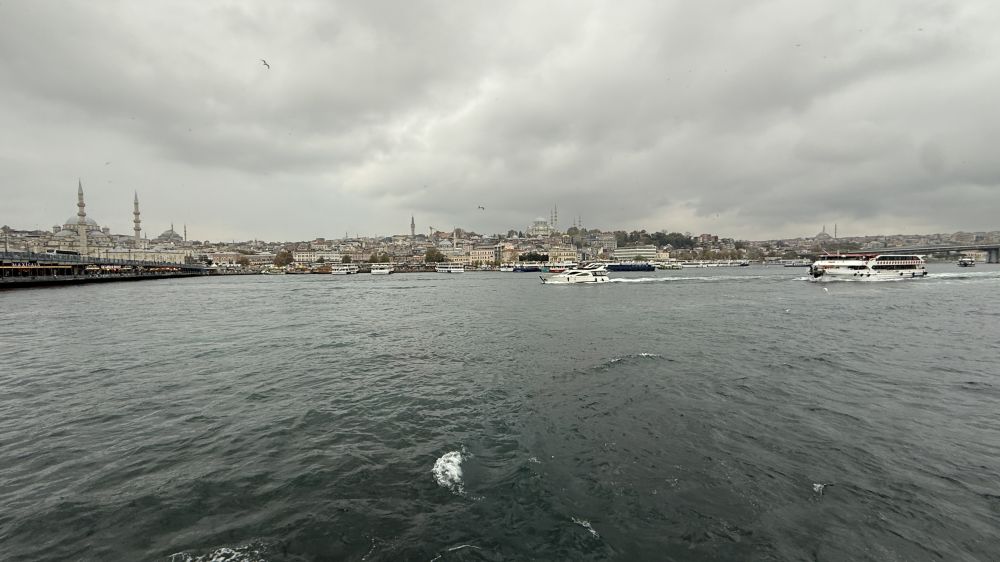
That afternoon we tried two ways of seeing the Bosphorus: a local ferry to the Asian shore and a longer narrated sightseeing cruise. The ferry showed us how residents cross the city; the cruise carried us farther along the water. Europe on one side and Asia on the other made the map feel wonderfully immediate.
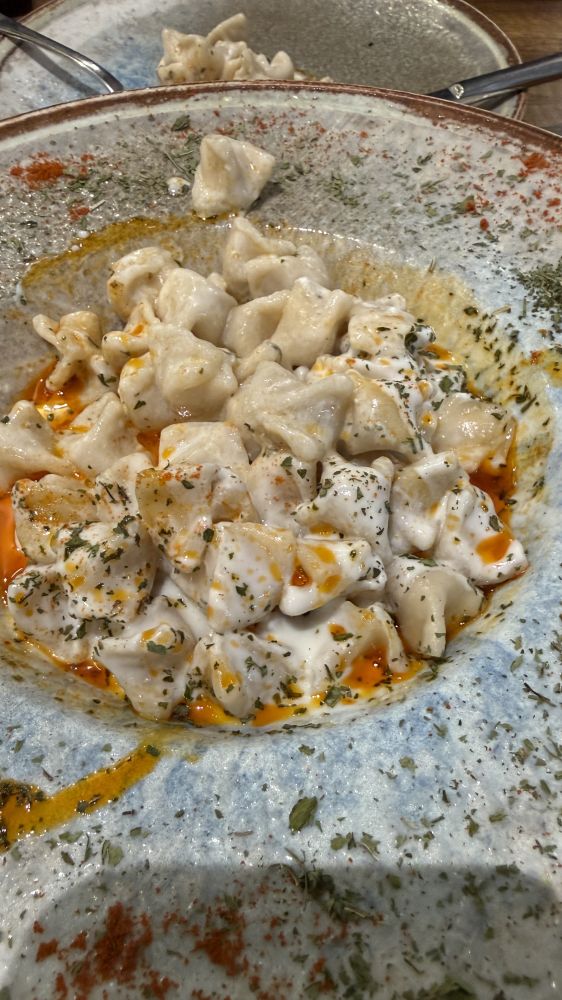
Dinner in the old city introduced us to mantı, tiny meat-filled dumplings under yogurt and buttery pepper sauce. They were unlike the dumplings we knew from home. We took our time over dinner, then walked back past more cats, some of which followed us for a short stretch.
Palace, museum and bazaar
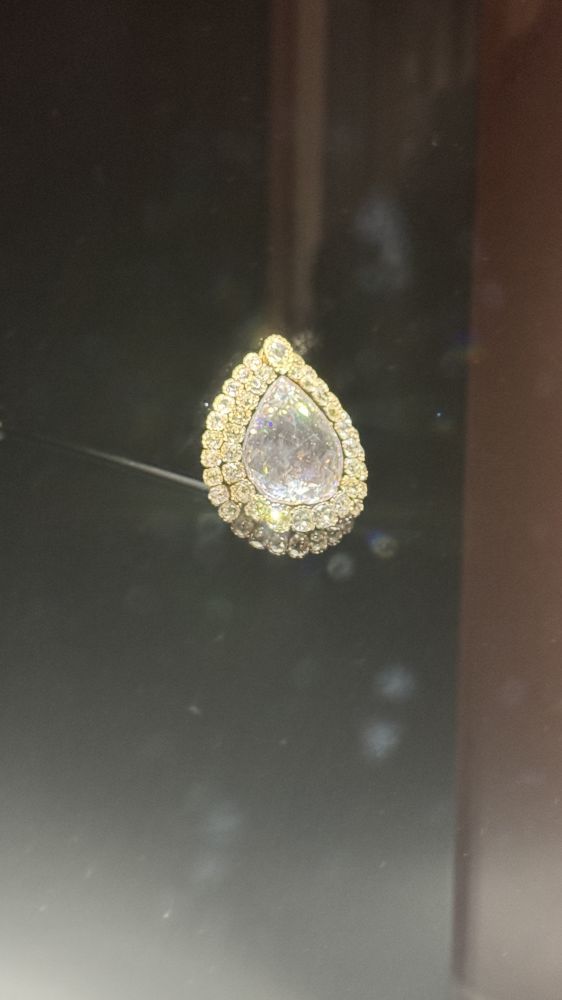
On the third day we gave Topkapi Palace several hours. Its kitchens, rooms, gardens and jeweled collections made the Ottoman court feel more concrete. The 86-carat Spoonmaker’s Diamond particularly caught my eye. A story says it was once found in a rubbish heap and mistaken for an ordinary stone; whether the tale is literal history or palace legend, it sent me back to a business-school discussion about how marketing shapes the value we attach to diamonds.
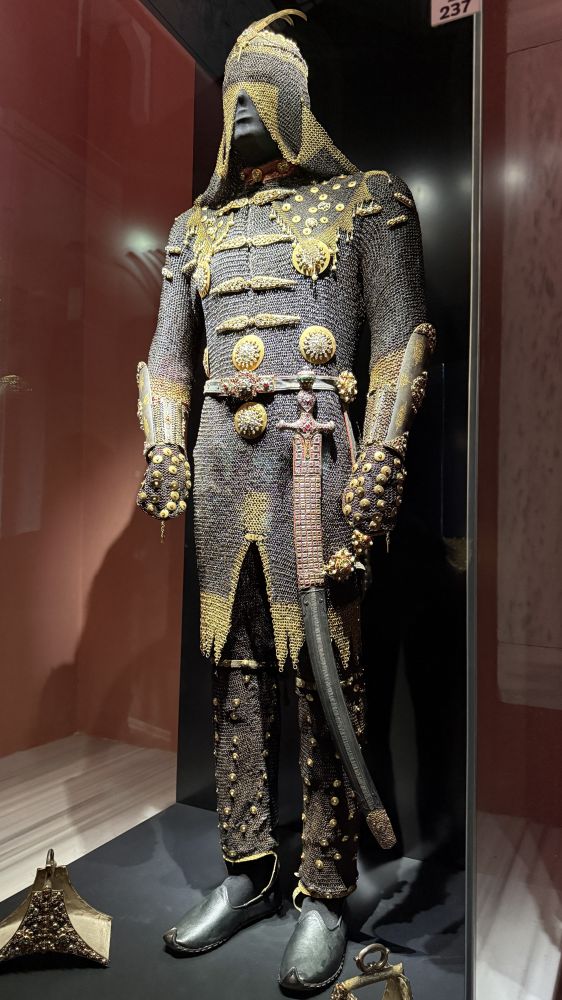
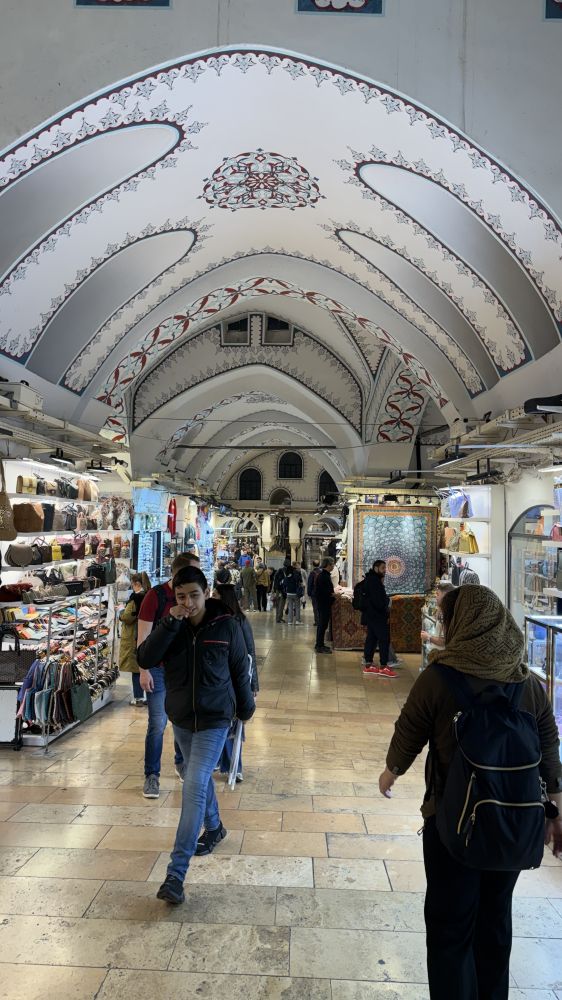
The Archaeological Museums held objects from across the former empire, though I wished for more explanation on site. In the evening, the Grand Bazaar supplied almost too much stimulation: covered lanes of carpets, spices, jewelry, leather and lamps, with merchants ready to talk and bargain. We bought a few small keepsakes. The pleasure was not merely shopping; it was watching a market continue to live inside its own long history.
Getting around the old city by car was less appealing. Uber drivers sometimes canceled, and narrow streets limited vehicle access. Walking and the tram worked better for us. On our final morning, a friendly transfer driver asked what music we wanted. We asked for what he liked, and Turkish melodies filled the car on the way to the airport. The city slipped past the windows, and I found myself already thinking about a return: for its history, its water, its food, and, inevitably, its cats.
Reader Discussion · 0
No comments yet. Be the first to share your experience.