We planned nearly three weeks in Australia, travelling from tropical North Queensland down through Sydney and Melbourne before driving the famous Great Ocean Road. Our first stop was Cairns in the country’s northeast. Many visitors know Sydney, Melbourne and the Gold Coast, but Cairns deserves a place on the itinerary, especially if you love nature, the ocean and wildlife. It is a gateway to the Great Barrier Reef, with ancient rainforest, beautiful beaches and plenty of animals found only in Australia nearby.
We had snorkelled in the Maldives, Bora Bora and Indonesia’s Komodo Islands, so we were curious to see what made the world-famous Great Barrier Reef so special. We had booked several boat trips, including excursions to the outer reef. We also hoped to explore the rainforest and spot koalas, kangaroos and other Australian wildlife. Instead of changing hotels every night and racing through a checklist, we wanted to stay several days in each place and get to know it at a slower pace.
For our Cairns stay, we used an Interval International timeshare exchange to book a seven-night resort apartment for just over $400. Even better, it had two bedrooms, a living room and a kitchen, making it an easy base for a full week. The resort was in a quiet tropical beach town about half an hour from Cairns. Tall palms lined the streets, and hotels, cafés and restaurants dotted the waterfront. We preferred this to staying in the city: we could head out by car during the day, then return to the resort for an evening walk or a simple meal at home. A newly renovated, hotel-style two-bedroom apartment for seven nights at that price is exactly why I keep talking about timeshare exchanges.
Brisbane: Queensland’s capital and a major gateway to Australia
We flew Qantas QF16 from Los Angeles to Brisbane, then planned to connect to a domestic flight to Cairns. Brisbane is Queensland’s capital and Australia’s third-largest city, after Sydney and Melbourne. It grew along the Brisbane River and has riverside walks, South Bank Parklands, museums, restaurants and cafés. The Gold Coast and Sunshine Coast are also within an hour or two by car. Brisbane is due to host the 2032 Summer Olympics, bringing even more international attention to the city.
Brisbane is both a destination in its own right and an important international gateway. For travellers coming from the U.S. West Coast to Queensland, connecting here is a natural choice; Cairns is a little over two hours farther north by air. While we waited at the airport, we watched a United Airlines plane take off. Seeing a familiar American carrier in the Southern Hemisphere made the Pacific feel a little smaller.
November is the start of summer in Australia, just as the Northern Hemisphere is heading into winter. We had left a chilly California behind and arrived to warm air and strong sunshine. Brisbane has a humid subtropical climate, while Cairns farther north is properly tropical. In November, Cairns often approaches 30°C (86°F), with high humidity as the wet season approaches. For Californians used to a much drier climate, it felt like a different world.
How did a two-hour connection turn into a missed flight?
QF16 was scheduled to arrive in Brisbane at 5:50 a.m. Our next flight, QF1582, was due to leave at 8:05, giving us two hours and fifteen minutes. At the time, that sounded comfortable: both flights were on one ticket, and Qantas allowed the connection. Then our international flight arrived about an hour late, and the cushion disappeared quickly.
Connecting from an international flight to a domestic one in Australia involves more steps than many travellers expect. First, you clear immigration, collect your checked bags and pass through customs. Even on a single Qantas ticket, the bags do not simply stay in the transfer system because passengers must complete the required checks at their first Australian airport. After customs, you leave into the arrivals hall and find the Domestic Transfer Desk to check the bags in again. You do not have to drag your suitcases all the way from the international terminal to the domestic one, but the transfer desk is farther away than the quick handoff we were used to in San Francisco, and the signs were not especially obvious. A long line had already formed at the counter, where everyone was waiting for an agent to check them in.
There is another detail that is easy to miss: Brisbane’s international and domestic terminals are not connected. They are about four kilometres apart, and passengers need to take the free Terminal Transfer Bus. The ride took around ten minutes along roads outside the airport. Looking out at the road and buildings, I briefly wondered whether we had boarded the wrong bus and were leaving the airport altogether. We had not; that is simply the route between terminals.
At San Francisco, an international-to-domestic connection usually means a short walk after customs, a bag drop and then the domestic gate. In Brisbane, there is a bus ride between terminals, followed by another security check. Add immigration, baggage claim, customs, bag recheck, the bus and security, and two hours is not as generous as it looks on the booking screen.
We missed QF1582. Fortunately, Qantas quickly rebooked us on QF712, leaving at 12:30 p.m. and due into Cairns at 2:55 p.m. If you are connecting from an international flight to a domestic flight in Brisbane, I would allow at least three hours, particularly if you have checked bags. Two hours can work, but one small delay can make it stressful.
A Brisbane airport surprise: four Priority Pass restaurants
Since we now had until midday before flying to Cairns, we found a place to rest and eat in the domestic terminal. We discovered that Brisbane Airport can be a surprisingly good stop for travellers whose U.S. premium cards include the right Priority Pass benefits.
Many people know Priority Pass for airport lounges, but at some airports it also offers a dining credit. Brisbane’s domestic terminal had four participating restaurants: The Common, Mezze Za Za, Graze Grill & Bar and The Independent. Eligible Priority Pass members received a A$36 credit per person per visit and could bring one guest, for up to A$72 off a meal for two. Airport food in Australia is not cheap, so that can cover a decent breakfast or lunch. One lesser-known detail: memberships without an annual visit cap may allow separate visits to several participating restaurants on the same day. In theory, visiting all four with a guest could add up to A$288 in credits.
Not every Priority Pass includes the restaurant benefit. The passes attached to U.S. American Express Platinum and Chase Sapphire Reserve cards generally cover participating lounges, but not these dining credits. Some older premium cards, such as Citi Prestige, still include them. It is worth checking the terms of your own pass before travelling; its benefits may be quite different from what you expect.
Qantas Club: room to spread out, fresh coffee and proper showers
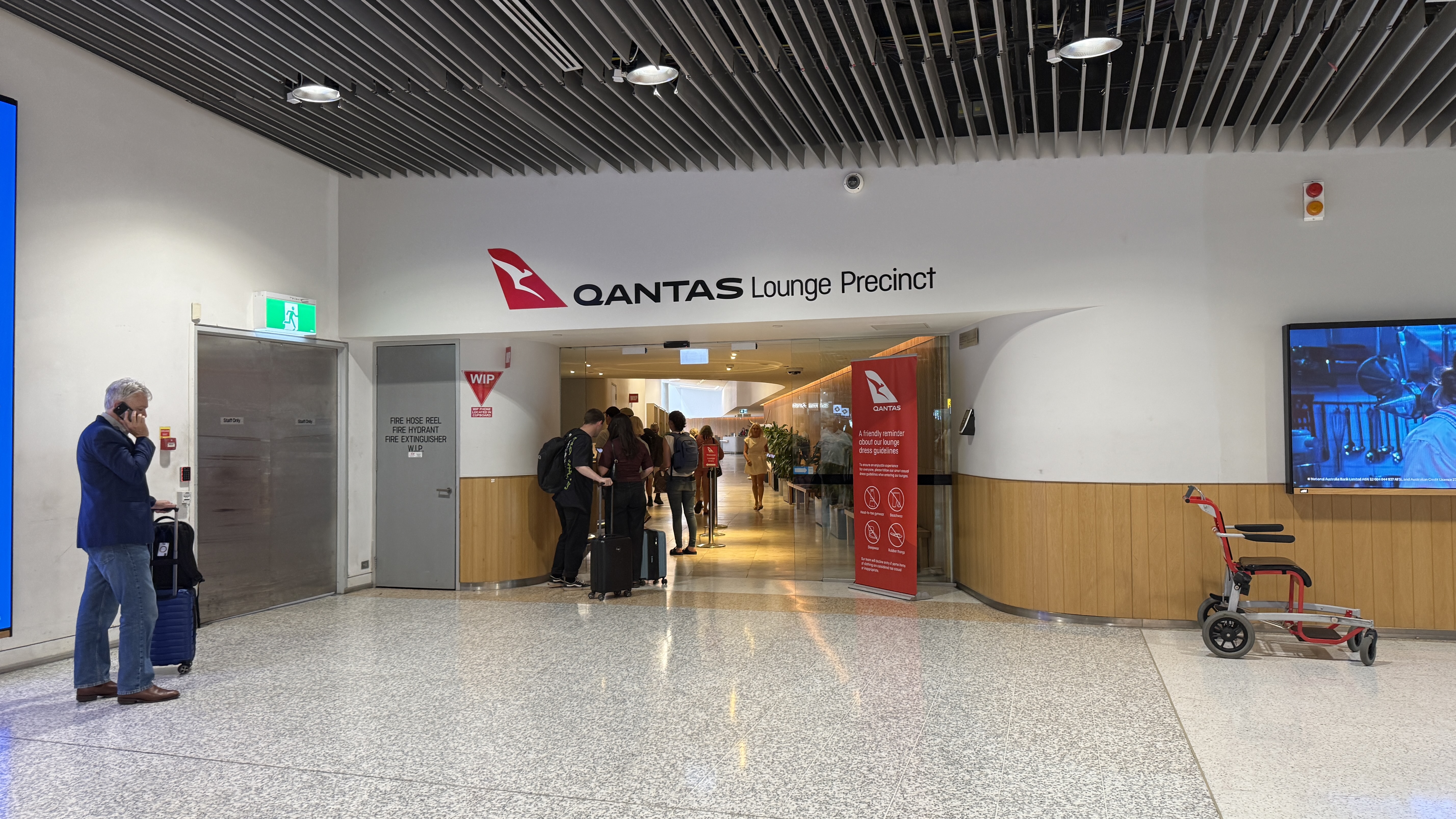
Another worthwhile stop in Brisbane’s domestic terminal is the Qantas Club, near Gate 22 in the Qantas domestic area. Qantas provides it for members and other eligible travellers.
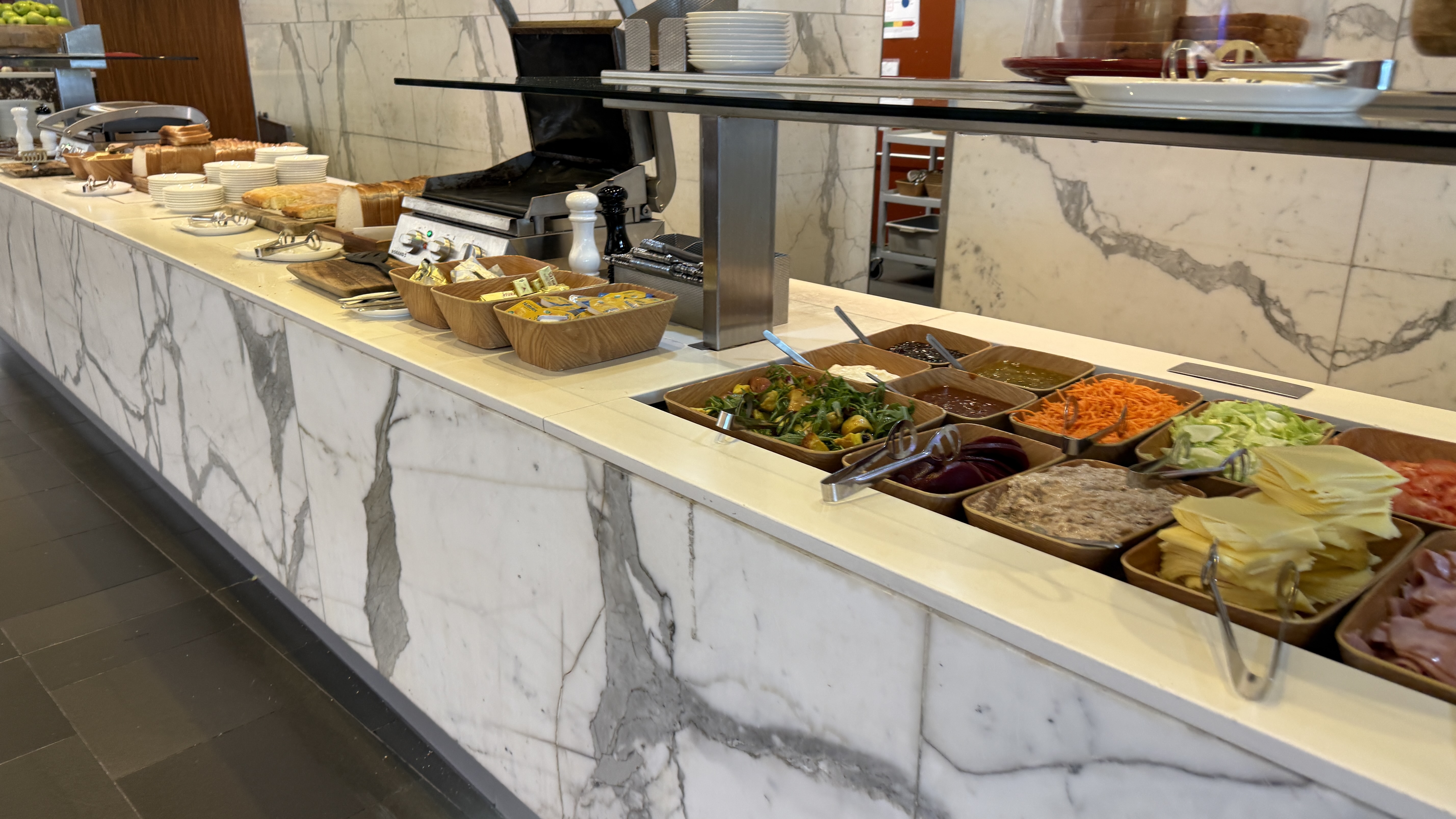
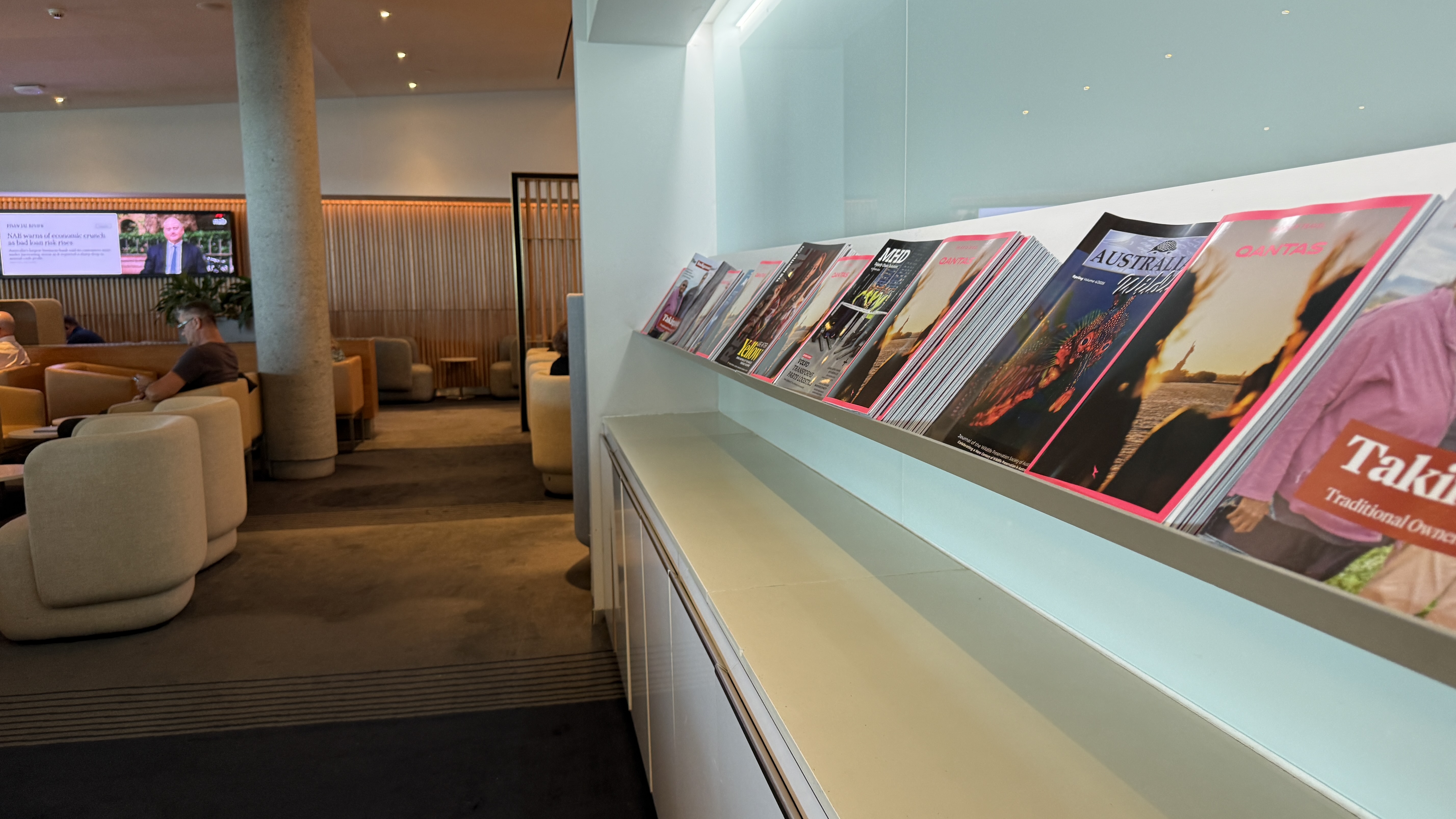
The lounge made a strong first impression. Unlike some crowded U.S. airport lounges, it had plenty of space divided into different seating areas, with sofas for chatting and tables for working. It was quiet in the morning and busier closer to noon, but still comfortable. Large windows made the room feel bright, and the décor was simple rather than flashy.
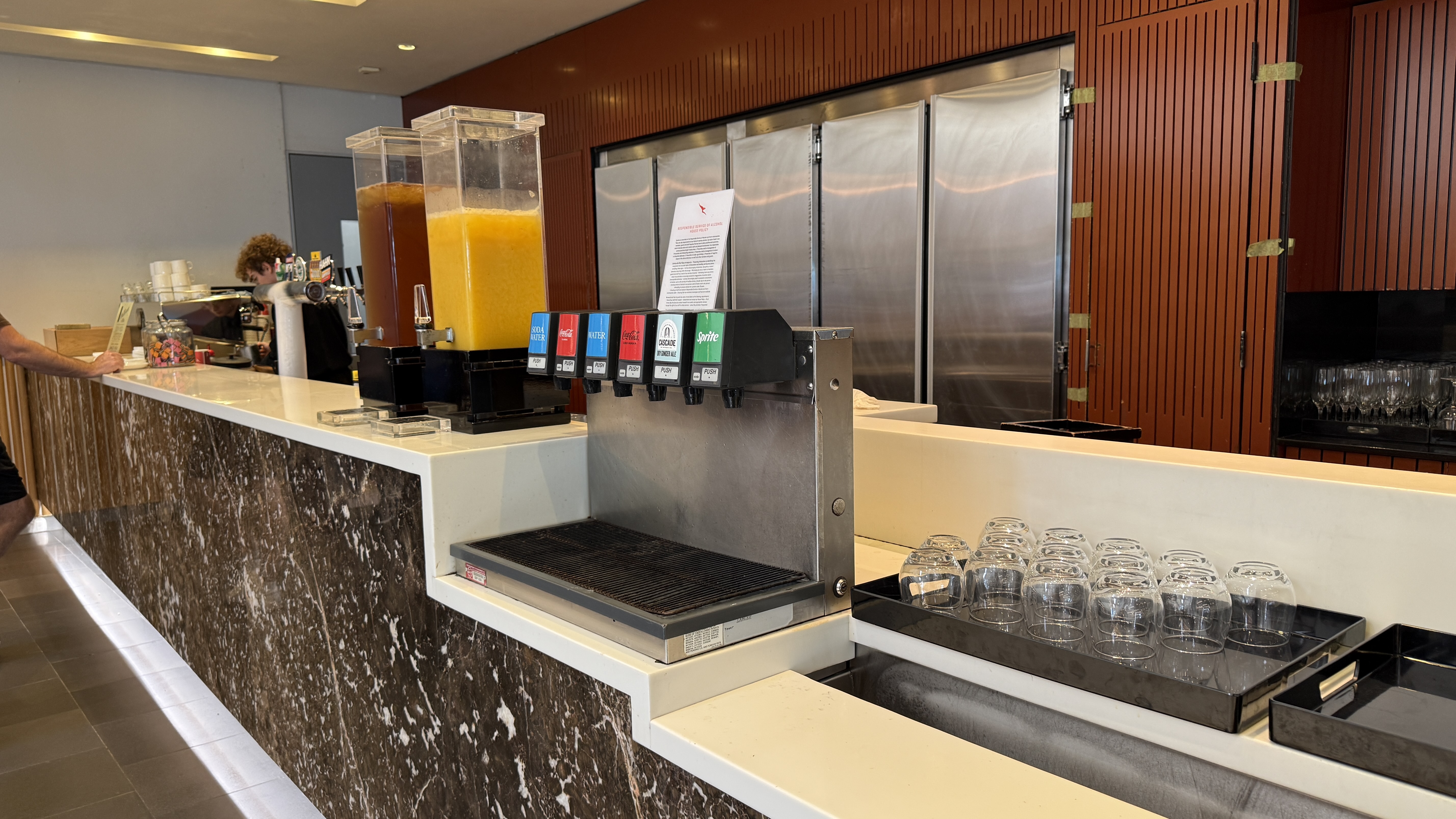
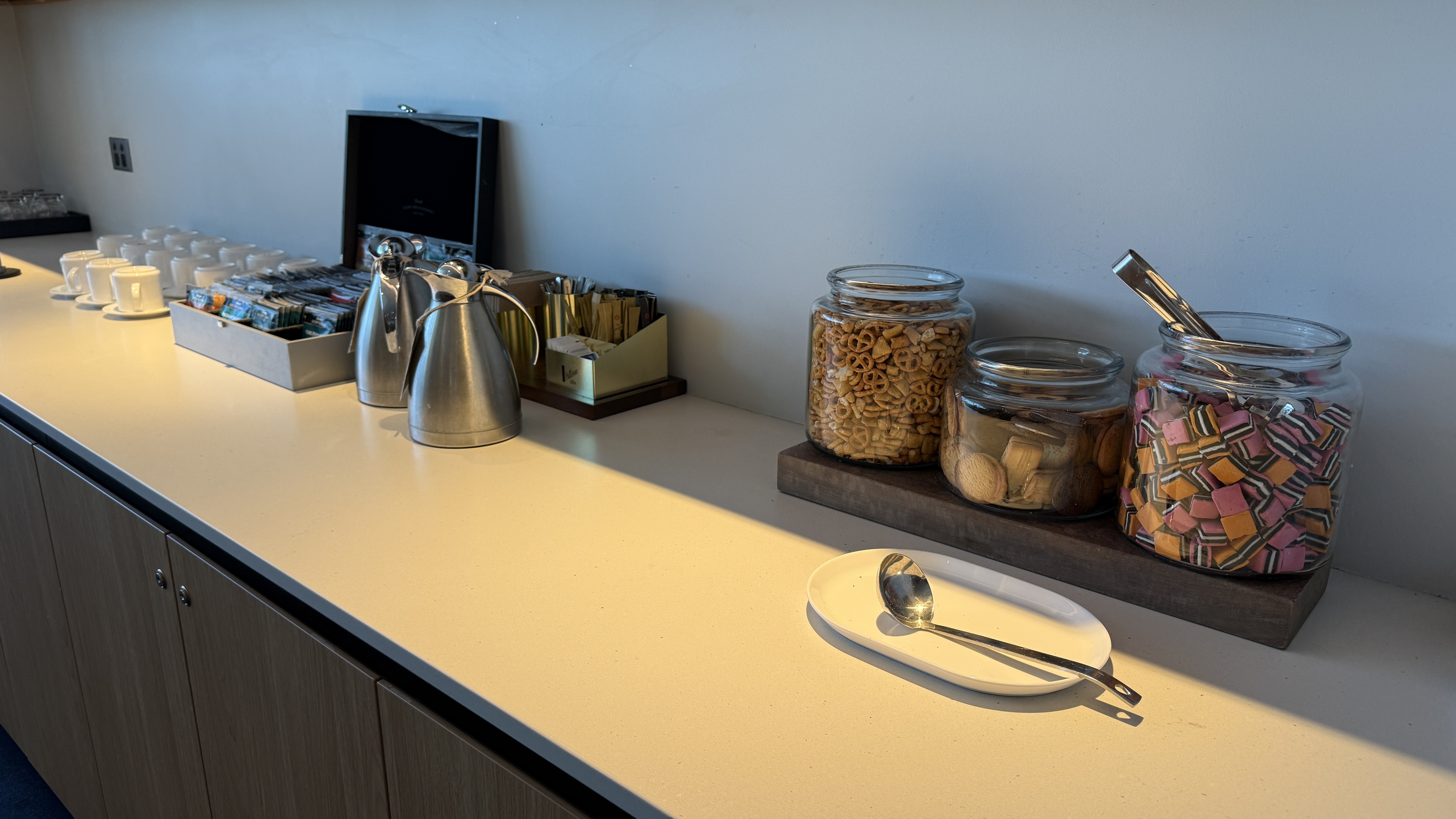
The buffet offered breakfast, bread, fruit, a few hot dishes and drinks. Australia takes coffee seriously, and baristas here made flat whites, cappuccinos and lattes to order. After a fourteen-hour flight, sitting down with a freshly made coffee felt especially welcome.
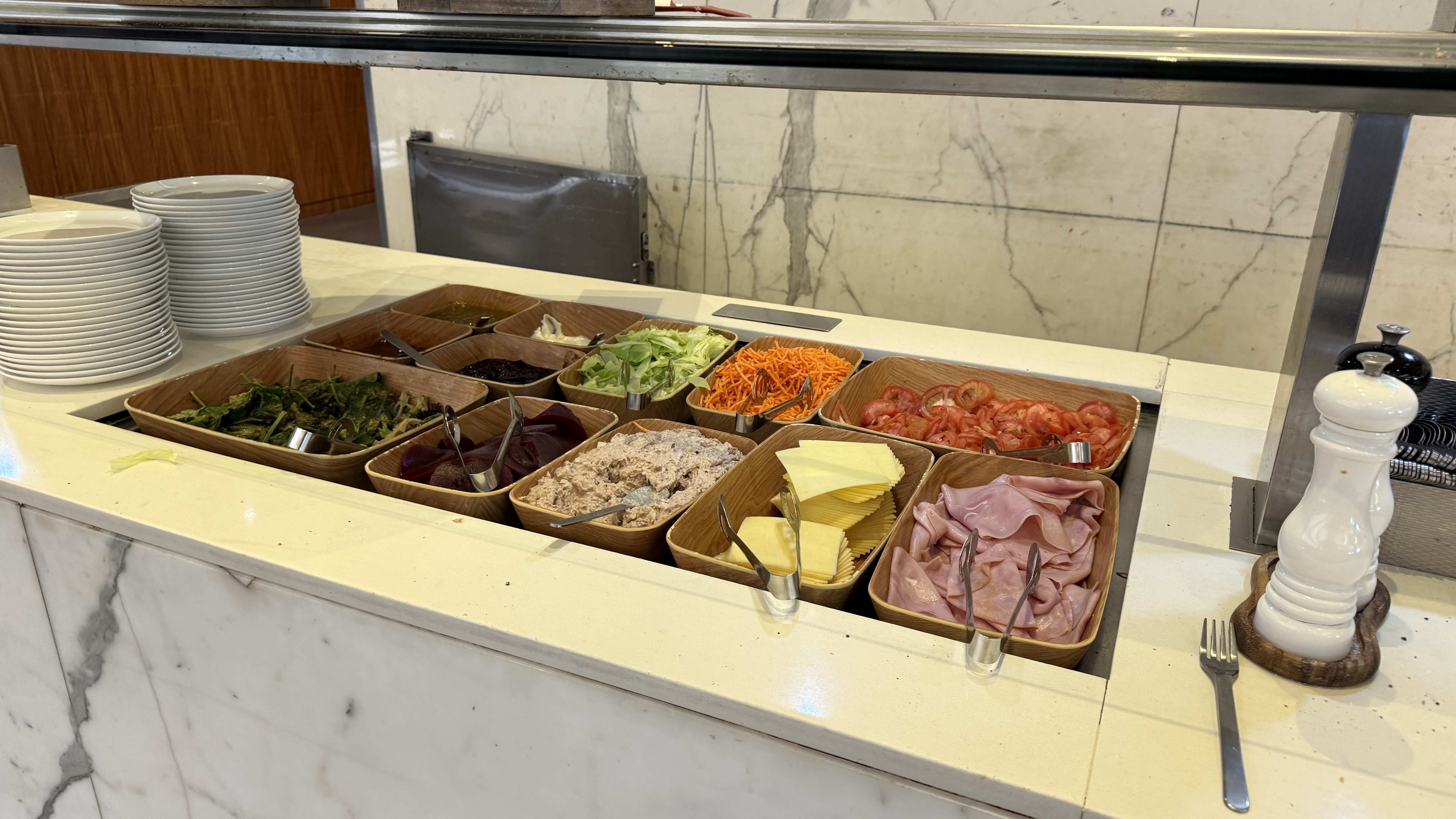
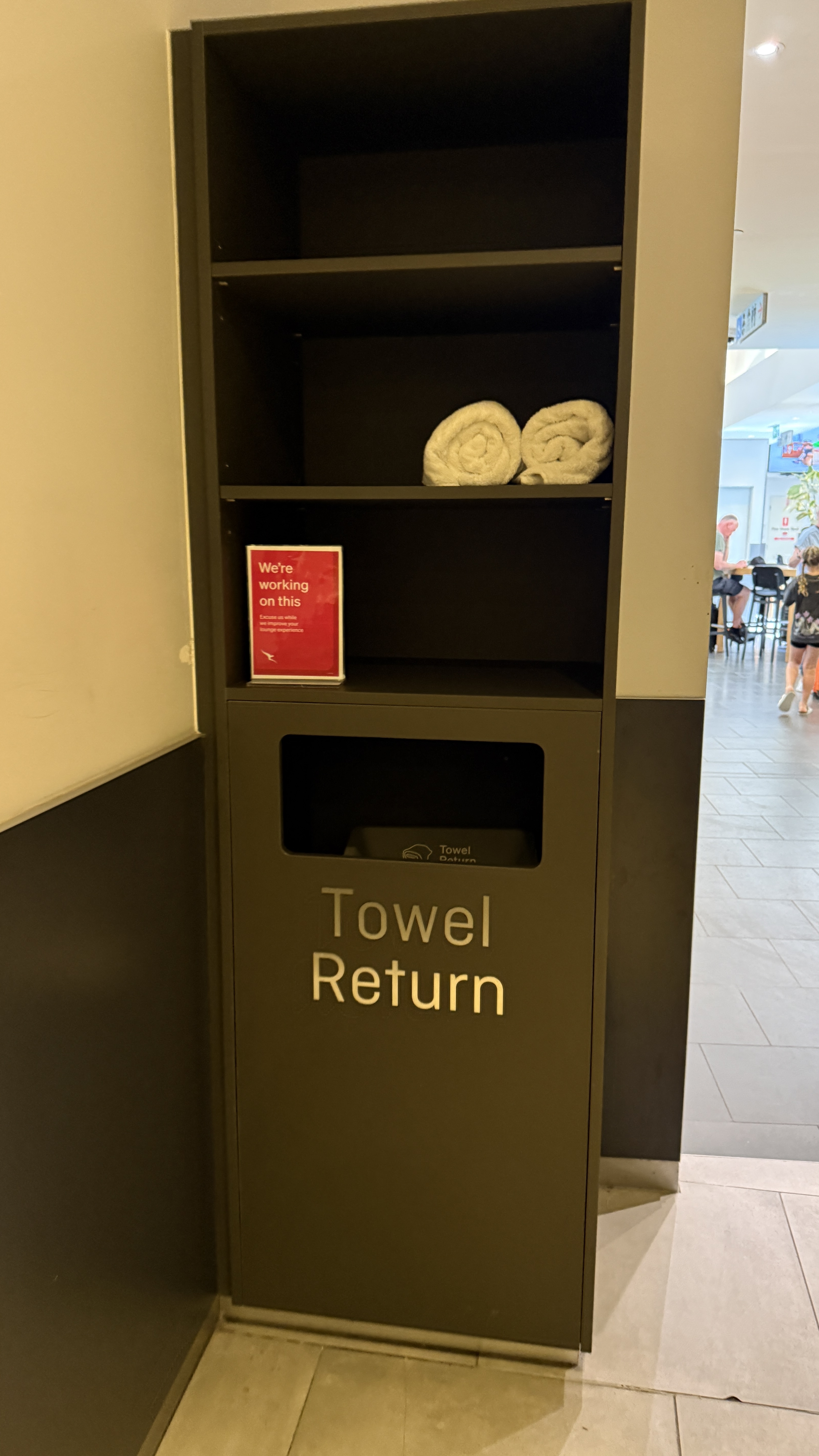
The food selection was not the most extensive we have seen. Compared with some of the better United Clubs or Amex Centurion Lounges in the U.S., the choices felt fairly simple, at least during our morning visit. The Qantas Club’s strengths were its space, comfortable seats, quiet atmosphere and useful facilities.
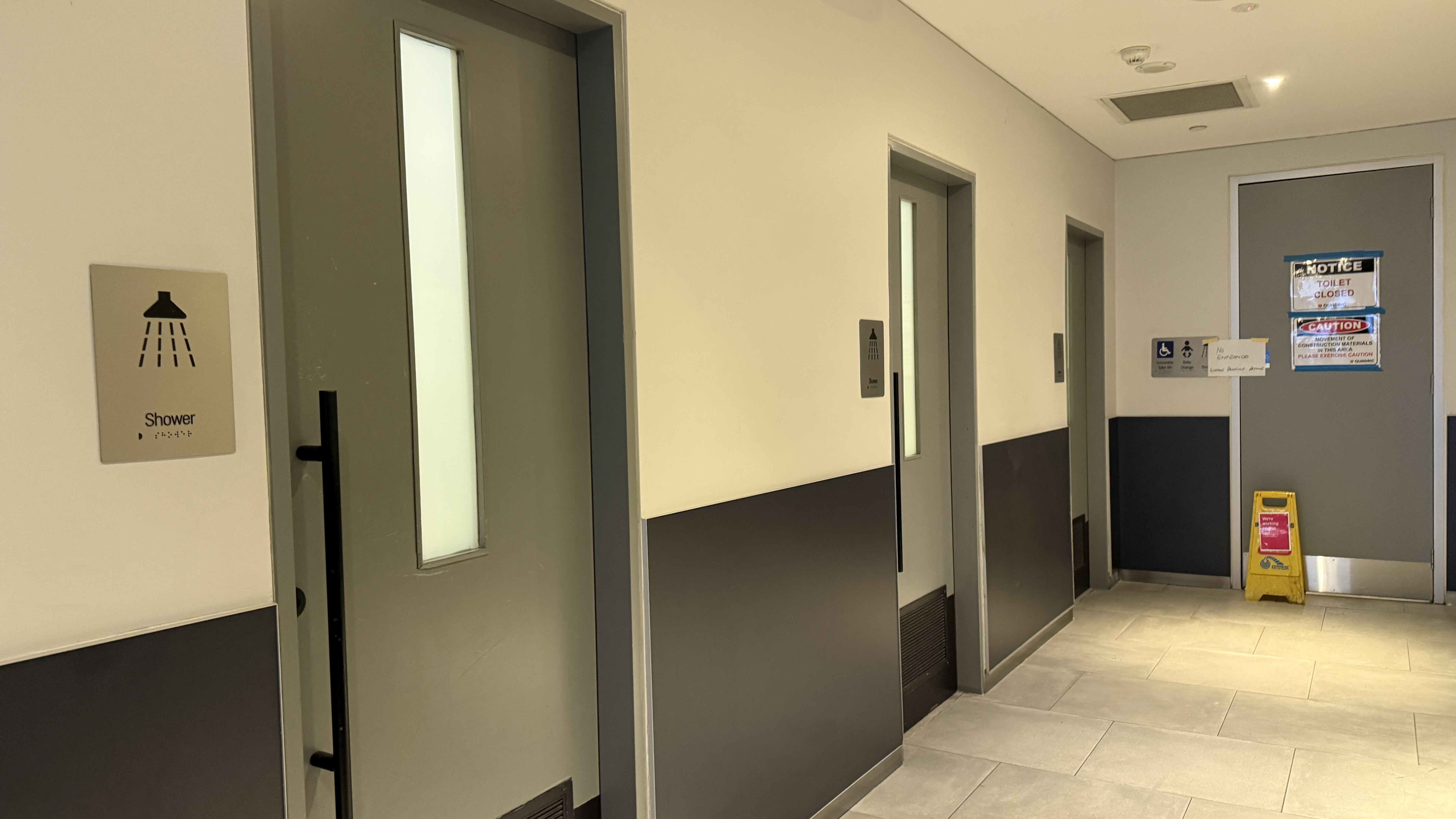
The showers were the standout. Each was a private room with a shower, sink, mirror and toilet. There was plenty of space, toiletries and clean towels, much like a small hotel bathroom. After fourteen hours in the air and the commotion of immigration and a missed connection, taking a hot shower and changing into fresh clothes before the next flight was a luxury. People often judge lounges by the food, but on a long international connection, a good shower can matter more.
Which cards can get you into Qantas Club?
Qantas and American Airlines are both in the oneworld alliance, and their lounge access arrangements extend to some partner lounges. An American Airlines Admirals Club member may use the Qantas Club in Australia when travelling on an eligible Qantas flight.
For U.S. cardholders, the Citi / AAdvantage Executive World Legend Mastercard is worth a look. The primary cardholder receives a full Admirals Club membership, which can provide access to Admirals Clubs in the U.S. and partner lounges such as Qantas Club when the flight qualifies. Full members can generally bring a spouse or up to two guests, making the benefit useful for families who often fly American Airlines and Qantas.
It is important to distinguish a full membership from a limited number of passes included with some cards. For example, Citi Strata Elite and Citi / AAdvantage Globe offer a set number of Admirals Club passes; those are not an annual membership and do not provide access to partner lounges such as Qantas Club. If you regularly travel between the U.S. and Australia, a full Admirals Club membership can be more useful.
Eligible Qantas business-class passengers and travellers with qualifying Qantas Frequent Flyer or oneworld status can also use Qantas lounges.
Inside the Qantas Club, we noticed signs for the Business area. That is a separate Qantas Domestic Business Lounge, just to the right of the main Qantas Club reception, with a higher level of access. The regular Qantas Club serves paid members, eligible Admirals Club members and some frequent flyers. The Domestic Business Lounge is for Qantas domestic business-class passengers, Qantas Platinum and Platinum One members, and eligible oneworld Emerald members. In other words, an ordinary Qantas Club membership does not get you into the Business Lounge next door. It also has barista coffee, dining, a bar, showers and Wi-Fi; the food, work areas and seating feel a little more polished and private.
Brisbane’s tiered lounge setup is interesting if you fly Qantas regularly. The standard Qantas Club is already spacious, and the Business Lounge sits alongside it for business-class travellers and higher-status frequent flyers. Add several Priority Pass restaurants in the domestic terminal, and there is no shortage of places to wait out a long connection.
Next stop: tropical beaches, coral reefs and Australian wildlife
At 12:30 p.m., we finally boarded QF712 to Cairns. The unexpected Brisbane layover made us a few hours late, but it worked out well. The airline moved us to another flight at no extra cost, and the longer stop gave us time to explore the airport’s dining and lounge options—and to write down a few tips for the next traveller. Most importantly, after a very long flight across the Pacific, we had finally set foot in Australia.
In Cairns, we planned to pick up our pre-booked SUV and drive to our apartment in Palm Cove. For the next week, we would explore the Great Barrier Reef, the rainforest and the coast of North Queensland. The landscape felt completely different from California: tropical greenery, warm humid air, the Coral Sea and animals found nowhere else all lay ahead.
Looking back, our trip began with a small mishap. The delay gave us time to explore Brisbane Airport properly, experience the local airline lounges and discover travel benefits we had not known about. If someone asks whether two hours is enough for an international-to-domestic connection in Brisbane, I will tell them to leave more time. Especially on a first visit to Australia, do not underestimate that four-kilometre trip between terminals.
We did make it onto a flight toward the Great Barrier Reef. Our Australian holiday had finally begun.
Reader Discussion · 0
No comments yet. Be the first to share your experience.