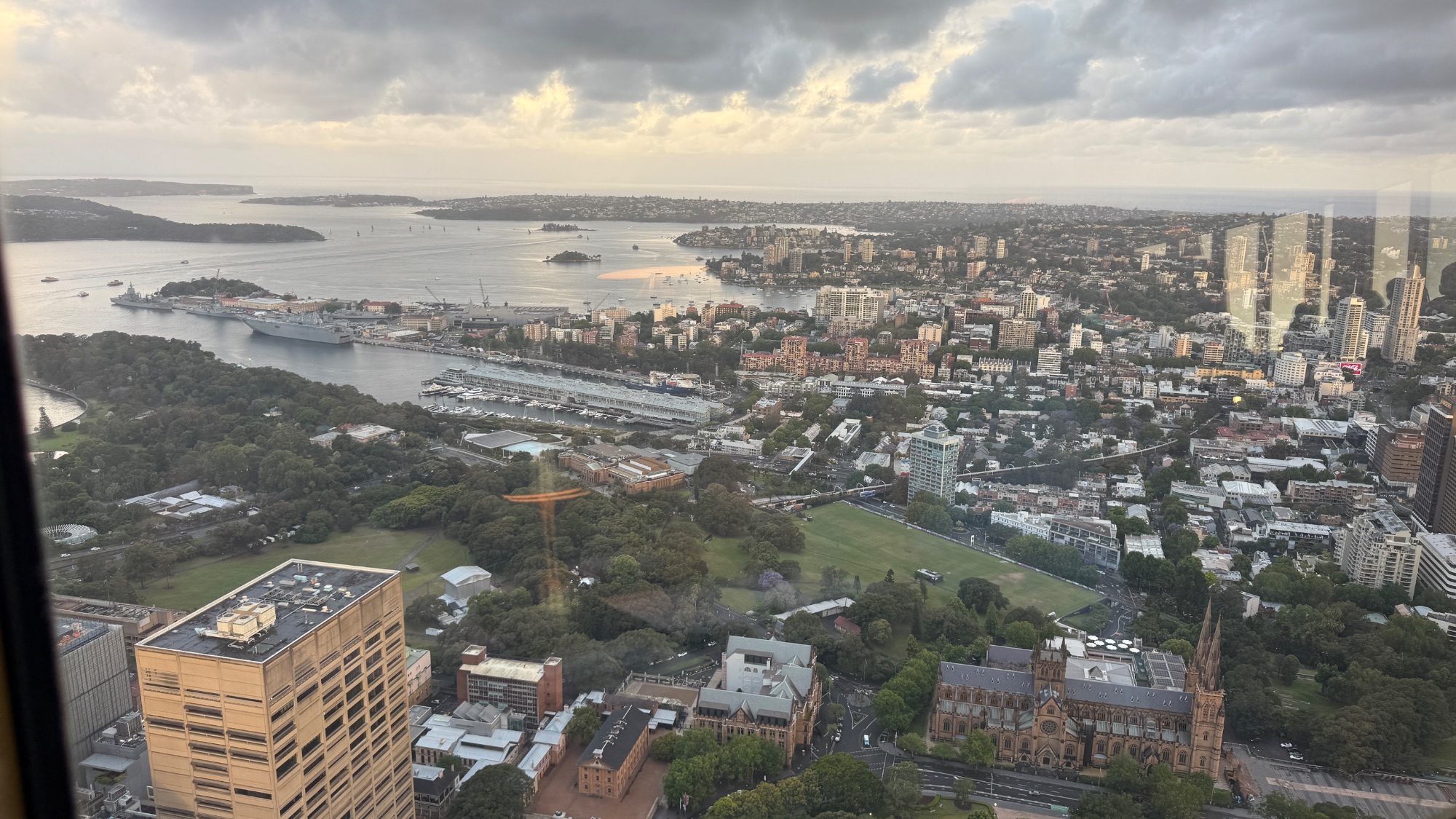
We had planned to drive to the Blue Mountains. Then the rain arrived before lunch, so we changed course and stayed in central Sydney, choosing indoor stops wherever we could. It turned out to be a day full of unexpected discoveries—and one very unexpected bird incident.
St James’ Church and Hyde Park Barracks: Sydney’s convict-era architect
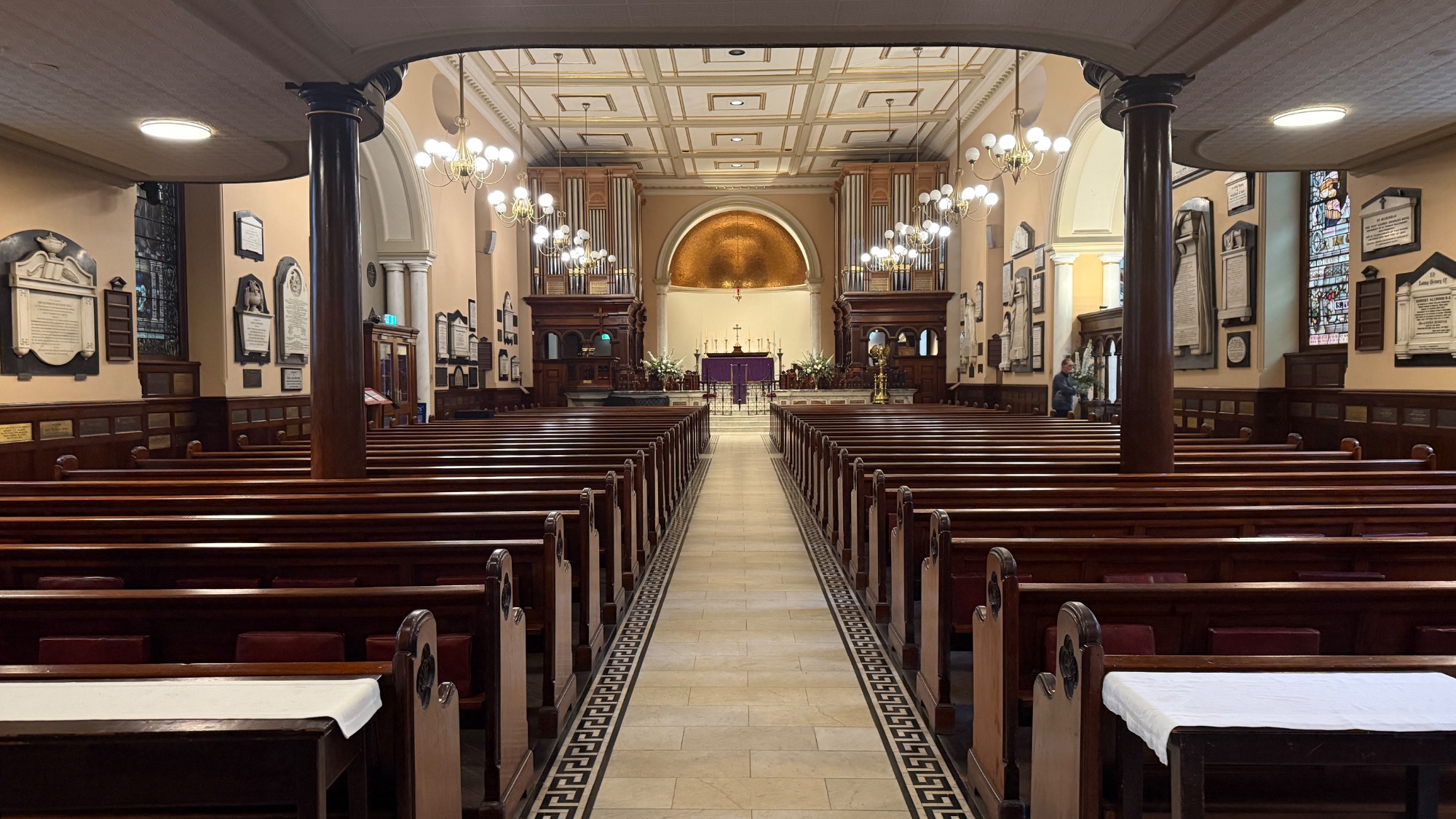
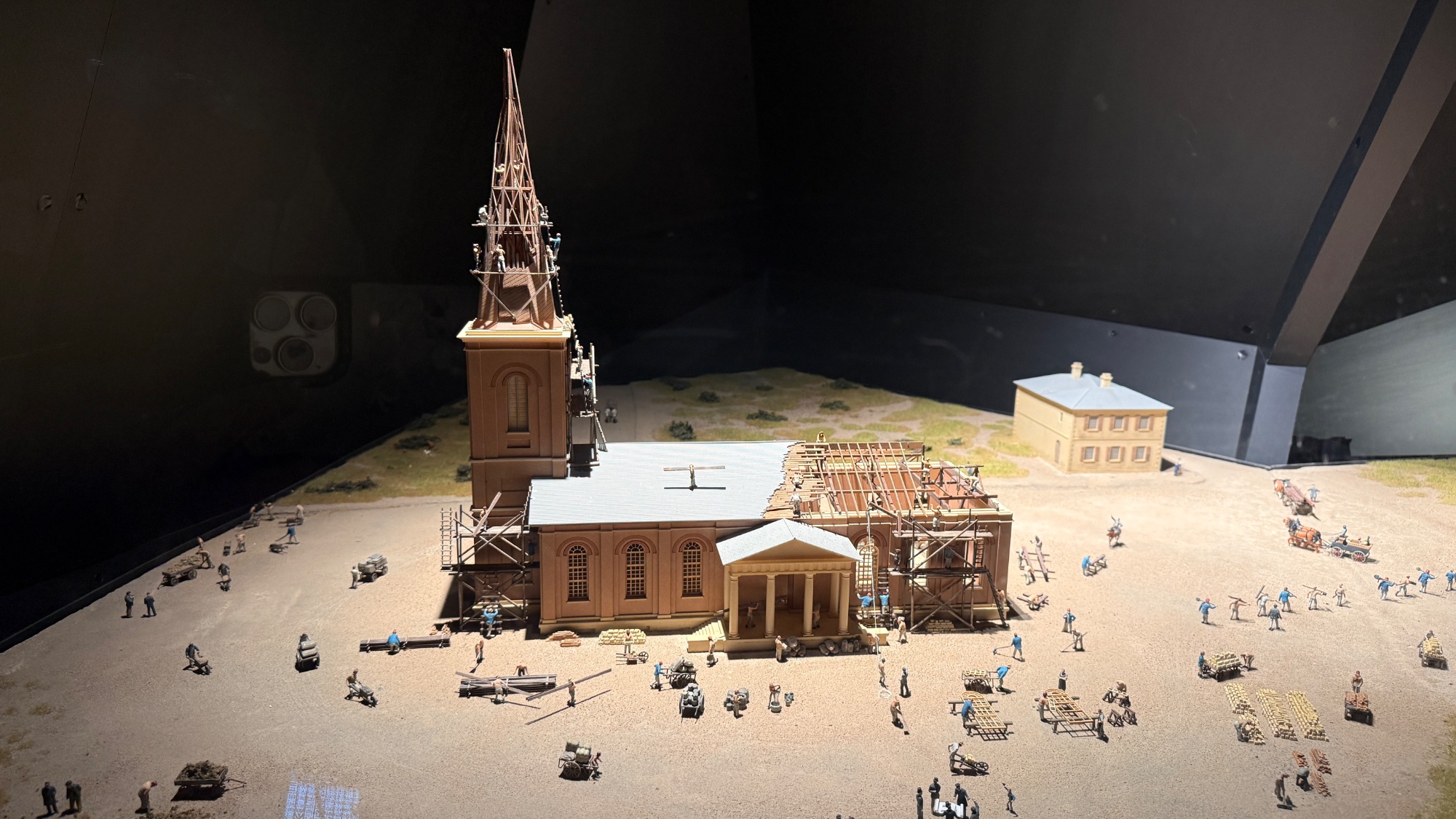
Our first stop was St James’ Church, built in 1824 and among the oldest surviving church buildings in Sydney. Its architect, Francis Greenway, had a remarkable backstory. He was an English architect convicted of forgery and transported to Australia in 1814. Somehow, he later became the government architect and designed many of early Sydney’s most important buildings.
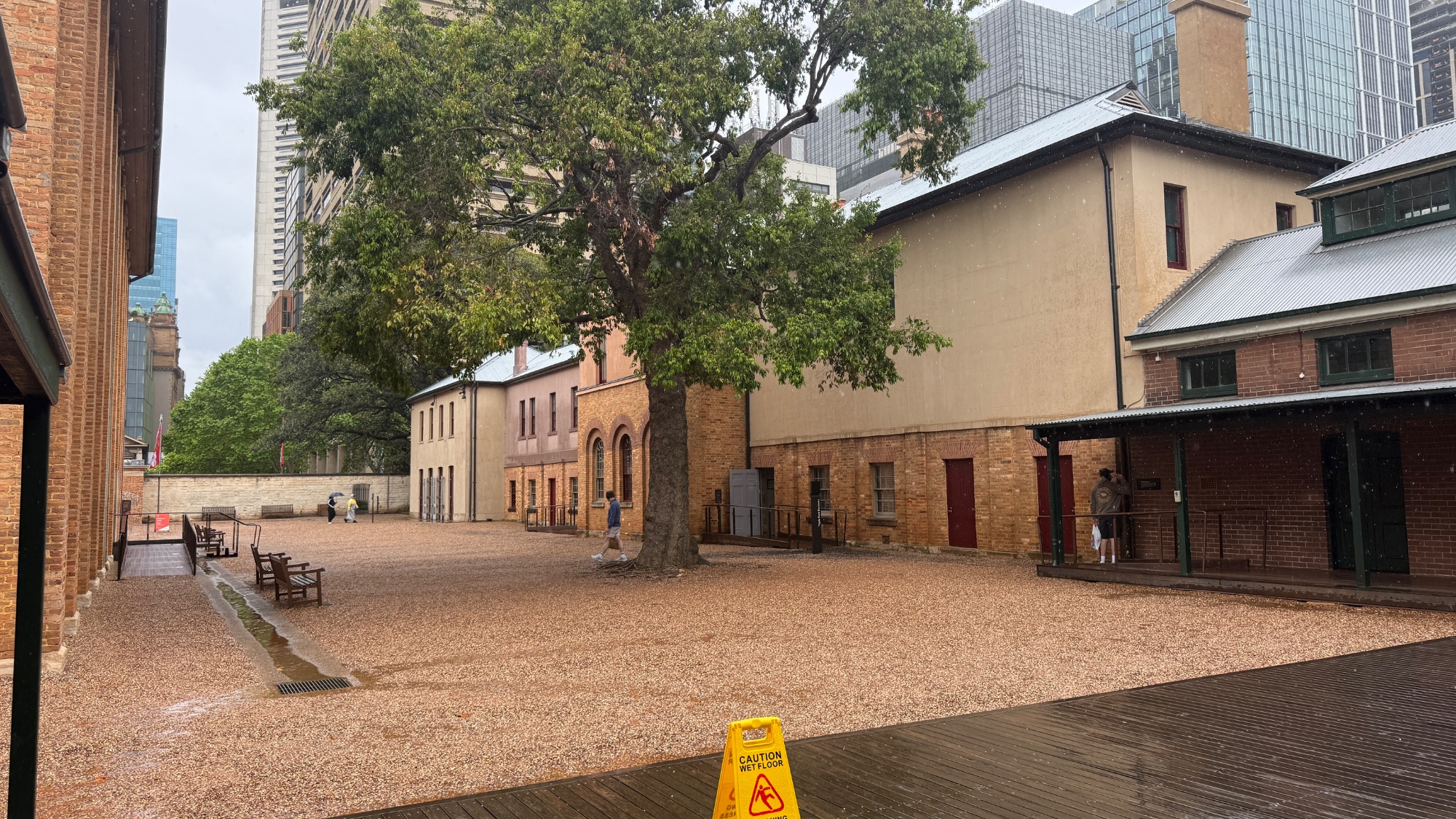
Not far away stands Hyde Park Barracks, also designed by Greenway and completed in 1819. It was built to house British convicts sent to Australia. The colony’s early European history is inseparable from Britain’s transportation system: the First Fleet arrived in Sydney Cove in 1788 carrying convicts, and thousands more followed over the decades. They helped build roads, bridges, and public buildings, becoming a major part of the young colony’s workforce.
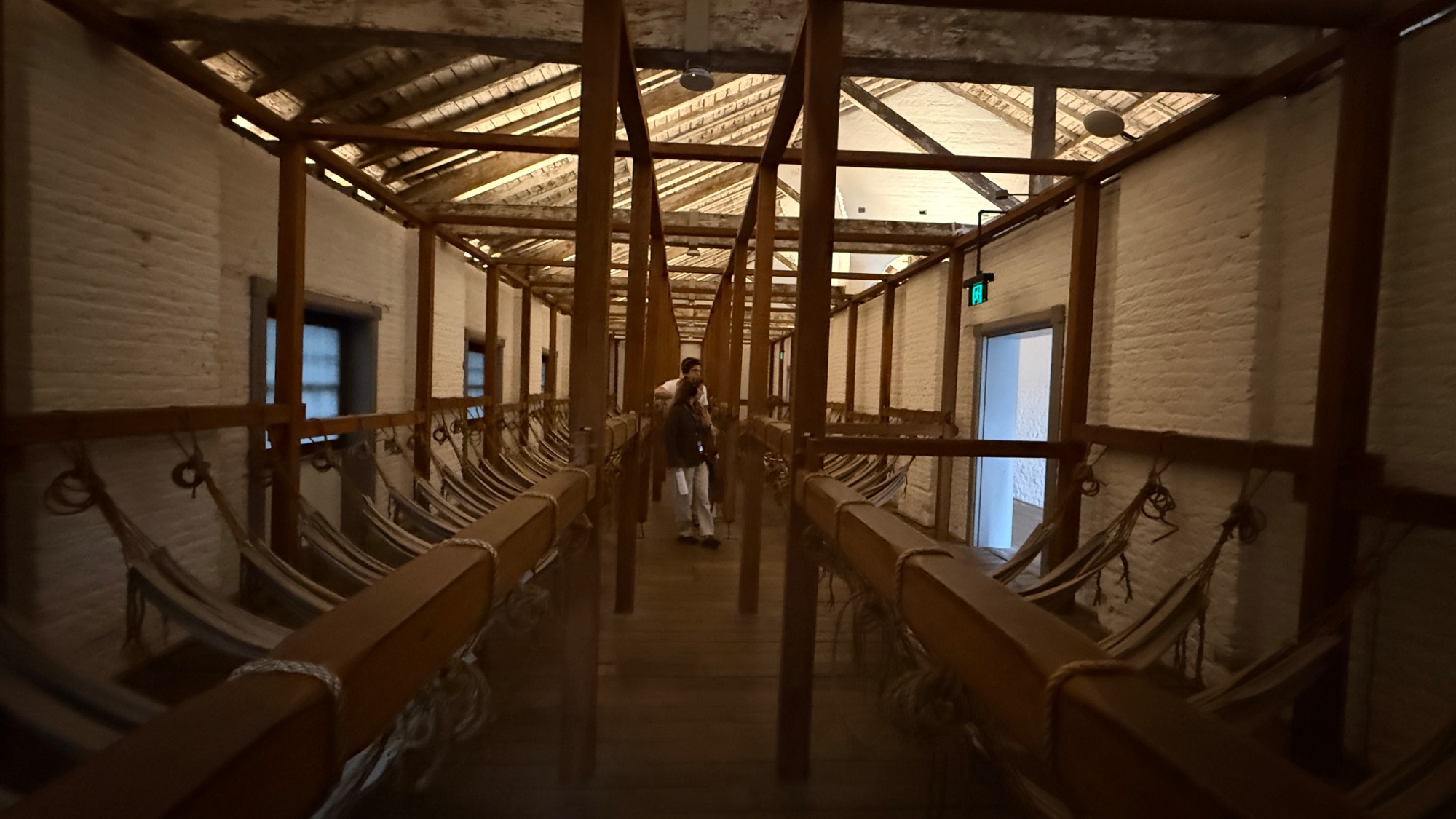
Inside, row after row of hammocks made the strongest impression. Canvas sleeping slings hang from long timber beams, leaving only a narrow passage down the middle. Walking through, we tried to imagine hundreds of men sleeping here. The hammocks look a little like camping gear today—but sharing a room with dozens of people every night would take the romance out of camping pretty quickly.
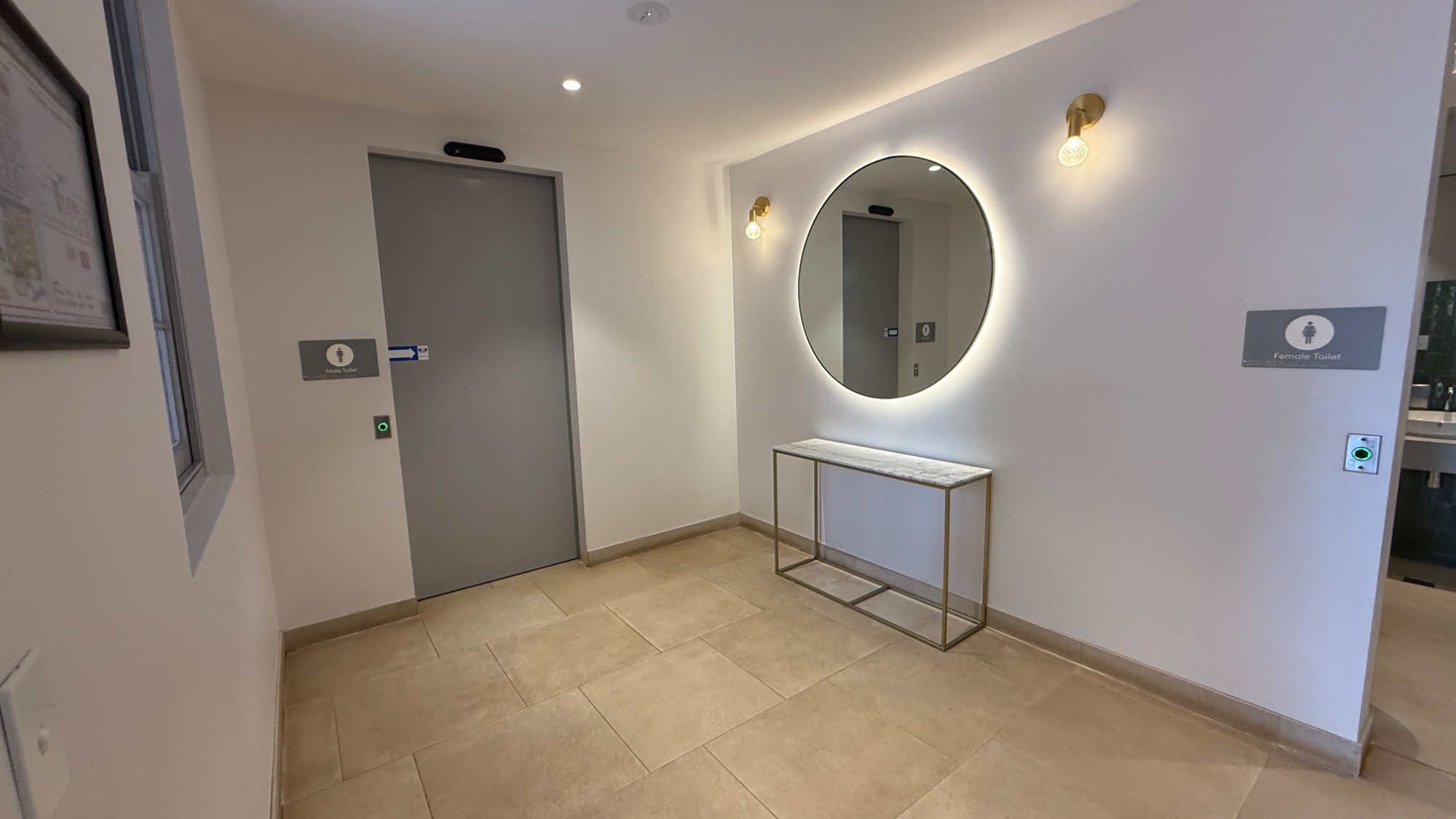
The barracks even has a newly built visitor restroom, complete with automatic doors. More impressive, the historic sites are free to enter and offer free audio guides. The exhibitions and facilities are thoughtfully done. Australia has invested in preserving these buildings and turning them into accessible, modern museums—and then lets visitors in without charging admission. That deserves real credit.
Nearby, The Mint is another remnant of the colonial period. It began as part of the Sydney Hospital complex and later became a royal mint. In just a few city blocks, the buildings tell the story of Sydney’s transformation from a British penal colony into a modern city.
State Library of New South Wales: right on time for its 200th birthday
Next we visited the State Library of New South Wales—and happened to arrive during its 200th-anniversary exhibition. Founded in 1826 as a subscription library created by Sydney residents, it became a free public library in 1869. For its bicentenary, the library brought together more than 200 objects, from rare manuscripts and historic maps to documents from the colonial era, to show how Australian society and culture have changed over two centuries.
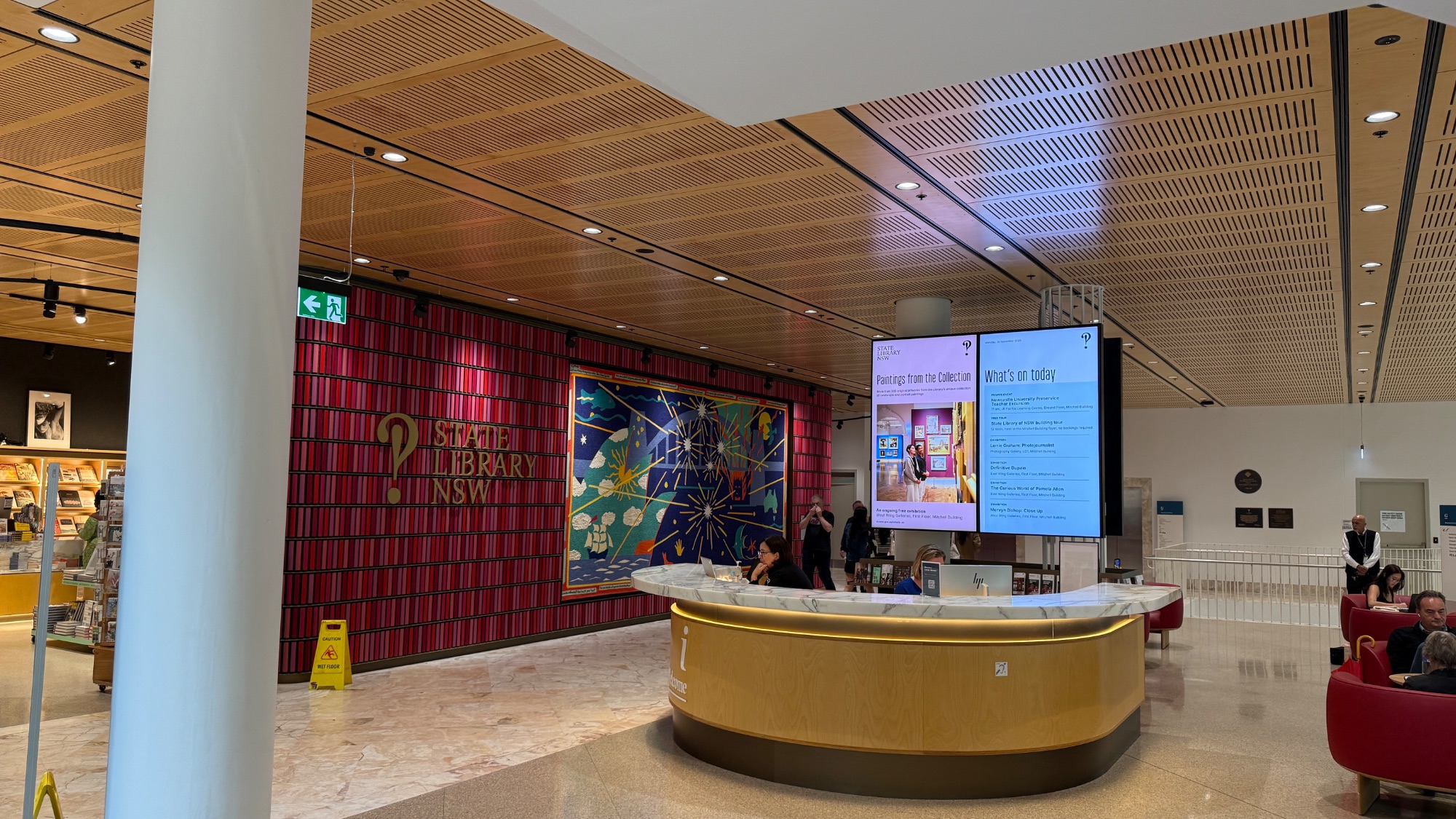
Is a 200-year-old library ancient? In Australia, certainly: it is the country’s oldest library. On a global scale, it is practically a youngster. The Library of Congress was founded in 1800, Oxford’s Bodleian Library opened in 1602, and the history of France’s national library reaches back to the Middle Ages. Still, given how much shorter Australia’s colonial history is, two centuries is a meaningful milestone.
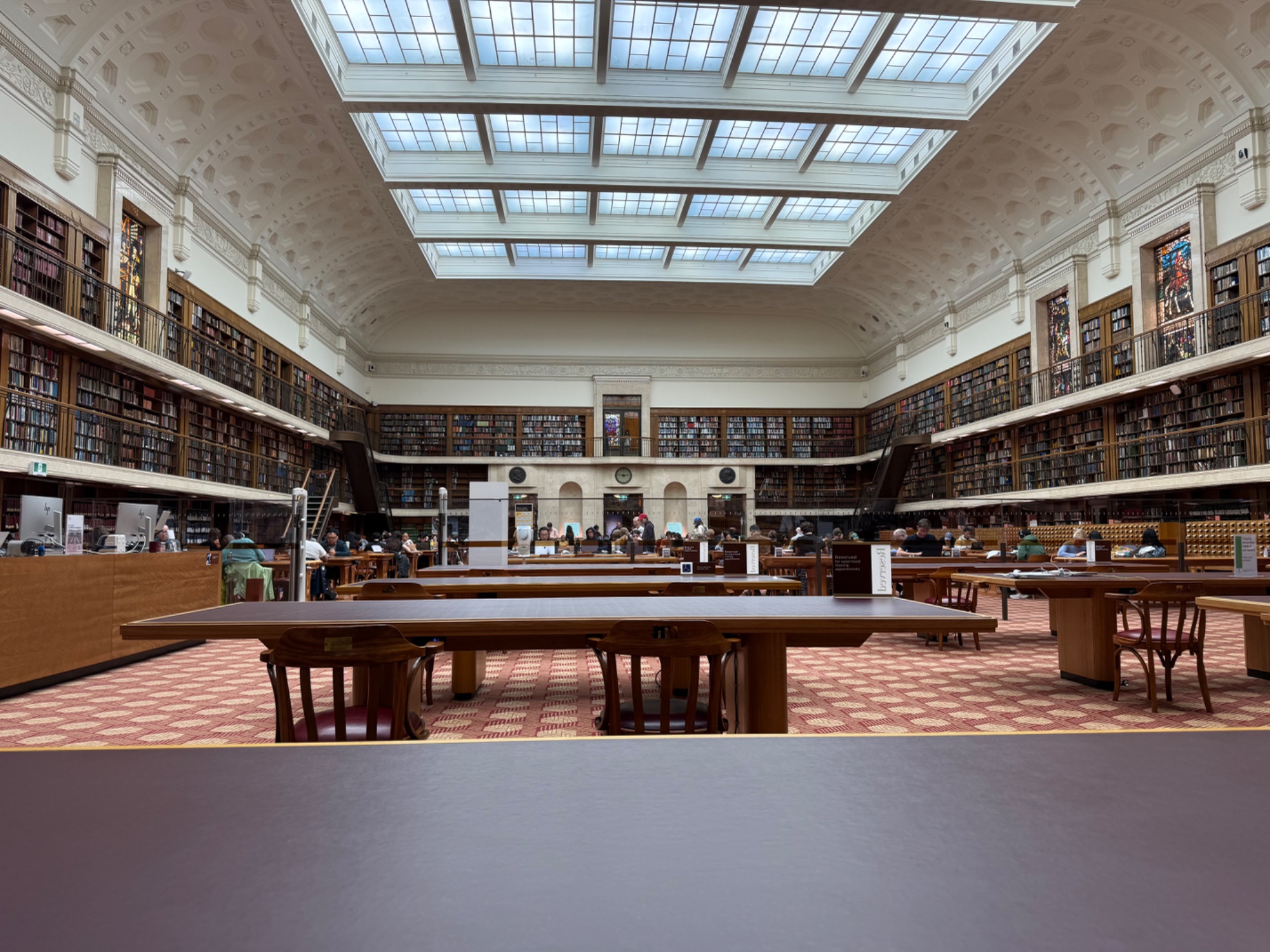
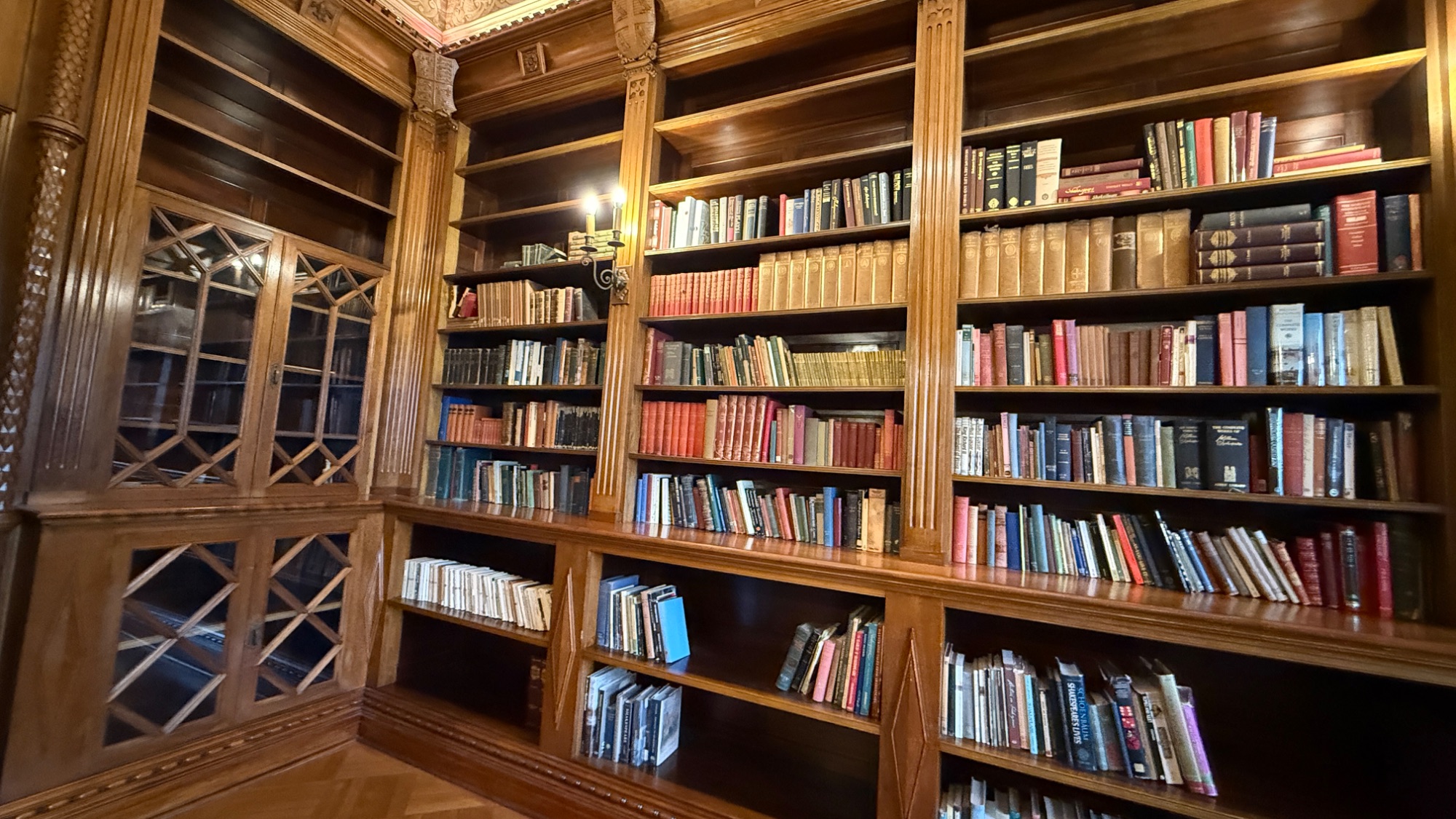
One of the library’s loveliest spaces is the Mitchell Reading Room. Daylight pours through a huge glass ceiling, while two-storey timber bookshelves climb the walls around orderly rows of reading desks. Visitors can look around, but many people were there to do the radical thing libraries were designed for: read.
We also stepped into the Shakespeare Room, a tiny, beautifully detailed space lined with dark wood bookcases. Intricate carvings frame the doorway, and the collection focuses on Shakespeare and his era. The room was created to mark the 300th anniversary of Shakespeare’s death and takes its cues from Tudor England. Beside the bright, airy reading room, it feels like a private study in an old English country house.
A portrait that opens a window onto Sydney’s Chinese Australian history
In the library’s art exhibition, we came across a portrait of a Chinese woman from the nineteenth century. She wears traditional black clothing embroidered with a delicate bird motif, with ornaments in her hair and a composed expression. The label identified her as “Mei Quong Tart’s mother” and dated the painting to the 1880s.
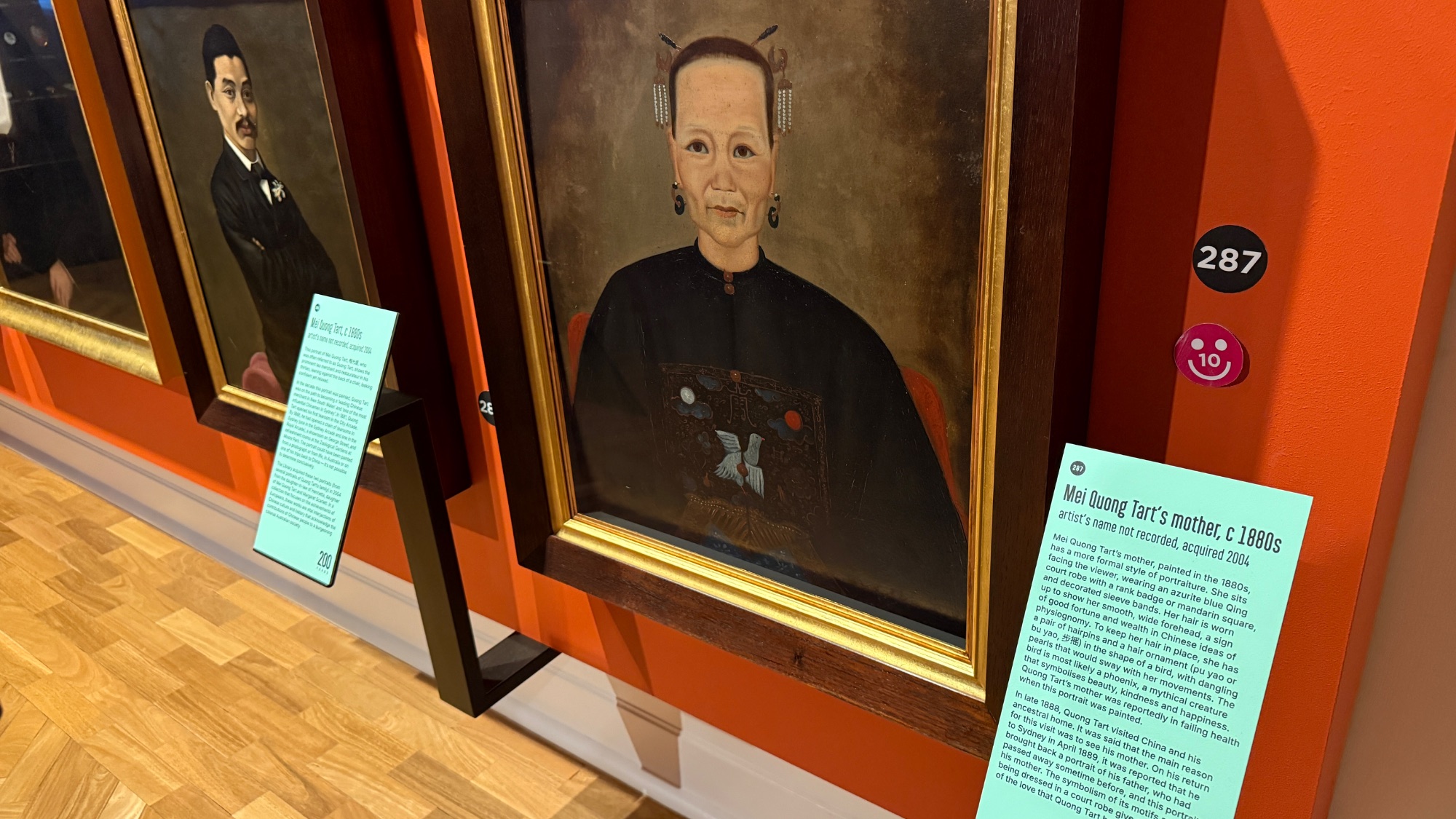
Mei Quong Tart (1850–1903) was one of Australia’s best-known early Chinese Australian businessmen. Born in Taishan, Guangdong, he came to the Australian goldfields with his uncle at the age of nine. Investments in mining helped him build a fortune, and he later moved to Sydney, where he ran businesses in tea, silk, and dining.
He was deeply involved in local life: a Christian, a fan of Scottish songs, and even a player of the Scottish bagpipes. He supported charitable causes, opposed the opium trade, and often represented the Chinese community in dealings with the government. In 1886 he married Margaret Scarlett, an English woman, and they had six children. The family lived at Gallop House in Ashfield. He arranged for the children to be baptized in different Christian denominations, reportedly so none would be favoured. Their son Arthur later served as an Australian soldier in the First World War. The family’s story is woven tightly into Australia’s own.
The University of Sydney: an English-looking quad and a graffiti tunnel
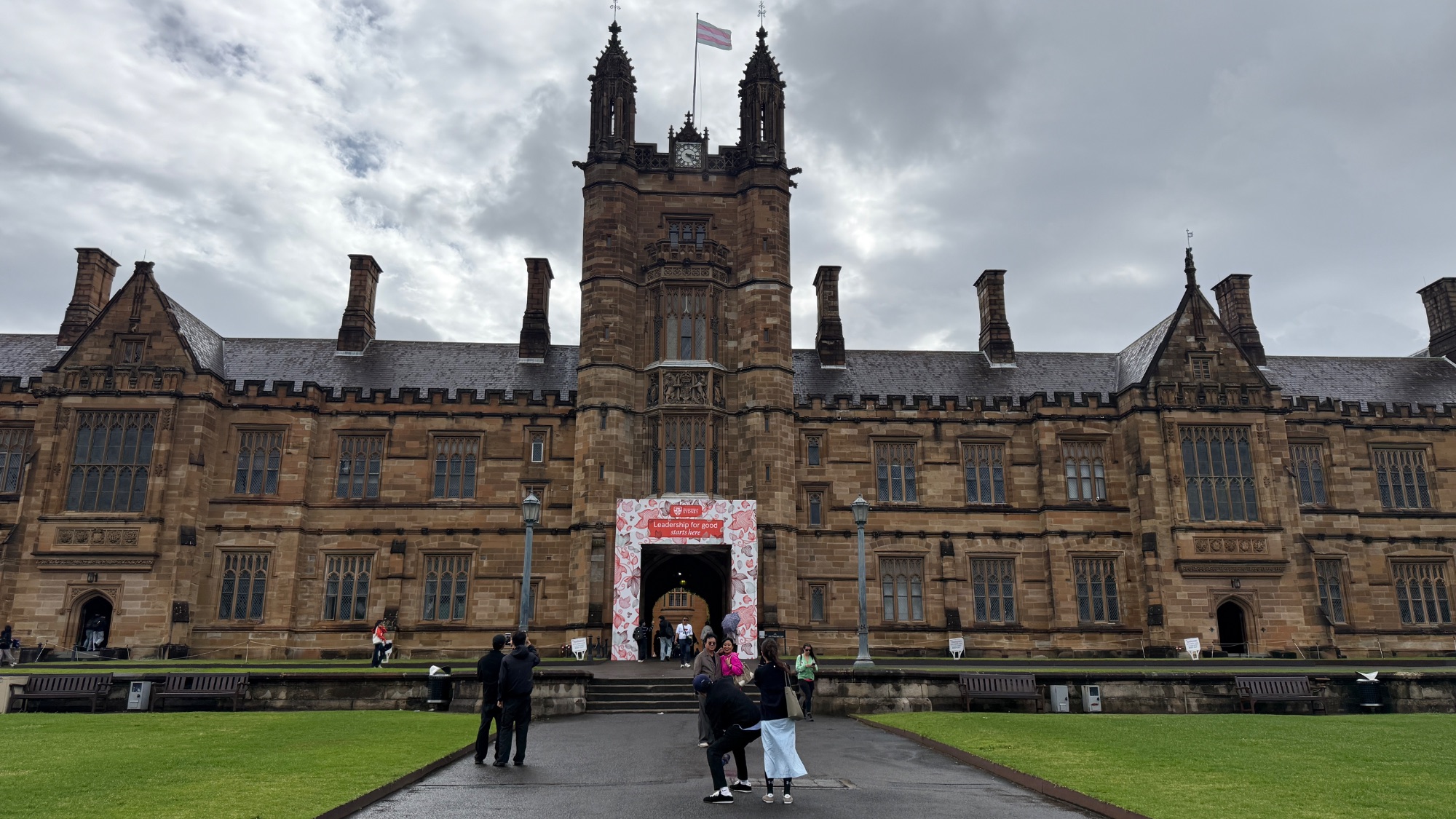
We also visited the University of Sydney, founded in 1850 and Australia’s oldest university. Its most famous building is the Main Quadrangle, designed in the Gothic Revival style. At first glance, it could pass for an old college at Oxford or Cambridge. But the university is only 176 years old, while teaching at Oxford dates back to the eleventh century. The buildings may look medieval; they are really a nineteenth-century Australian colony’s tribute to Britain’s university tradition.
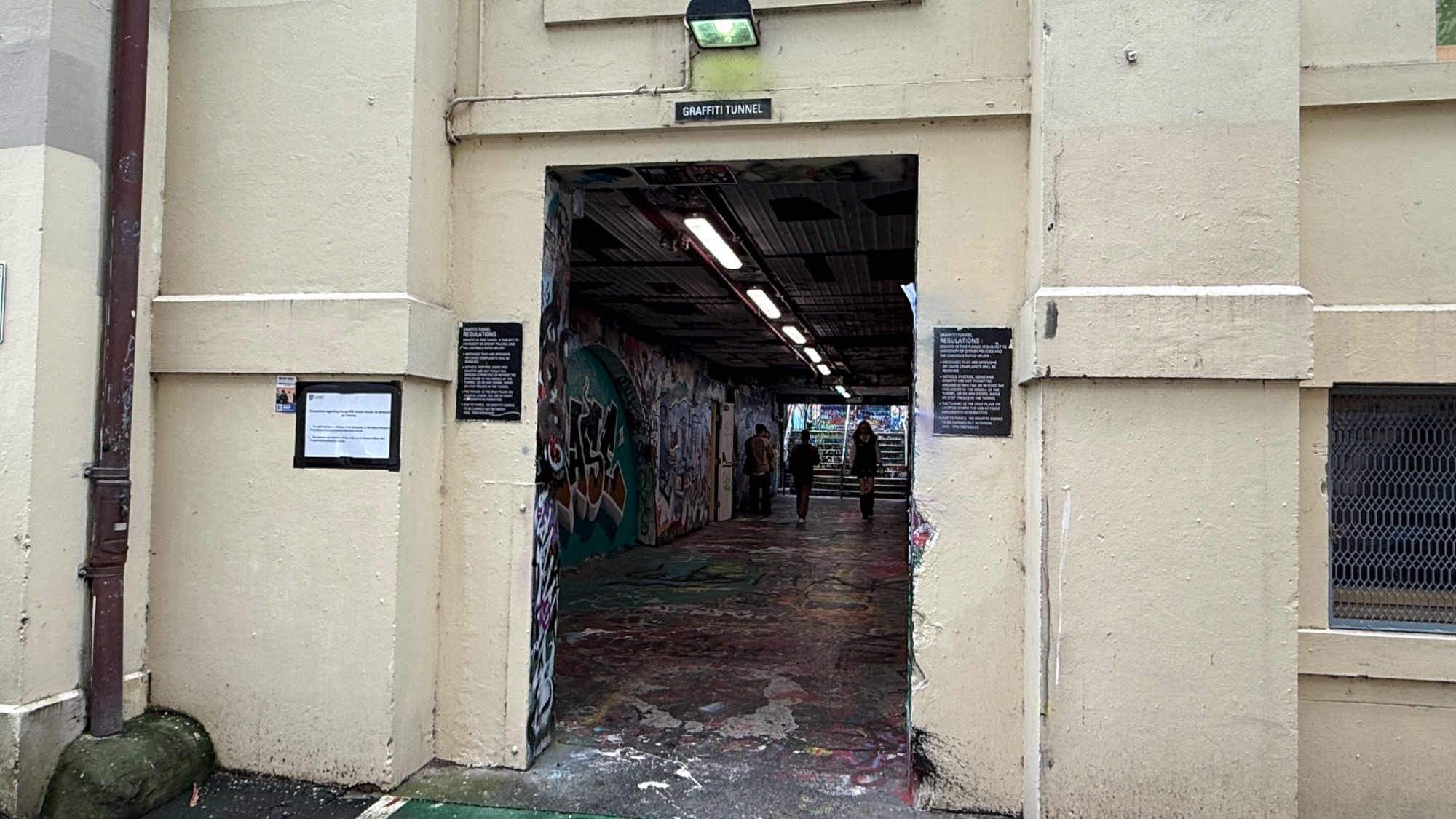
Then we ducked into the campus’s famous Graffiti Tunnel. Students are free to paint there, and spray paint covers the walls, ceiling, and even parts of the floor. Stepping from the formal Gothic buildings into this underground burst of colour feels like changing worlds. One side of campus borrows the look of Britain’s old universities; the other gives students a wall-sized canvas. The contrast is hard not to enjoy.
Sydney Fish Market: one disappointing fish, thirty very determined gulls
At lunchtime we went to Sydney Fish Market, which is well worth a wander. Stalls were piled with fish, prawns, crabs, shellfish, and plenty of things we couldn’t name. Even just browsing the seafood was fun.
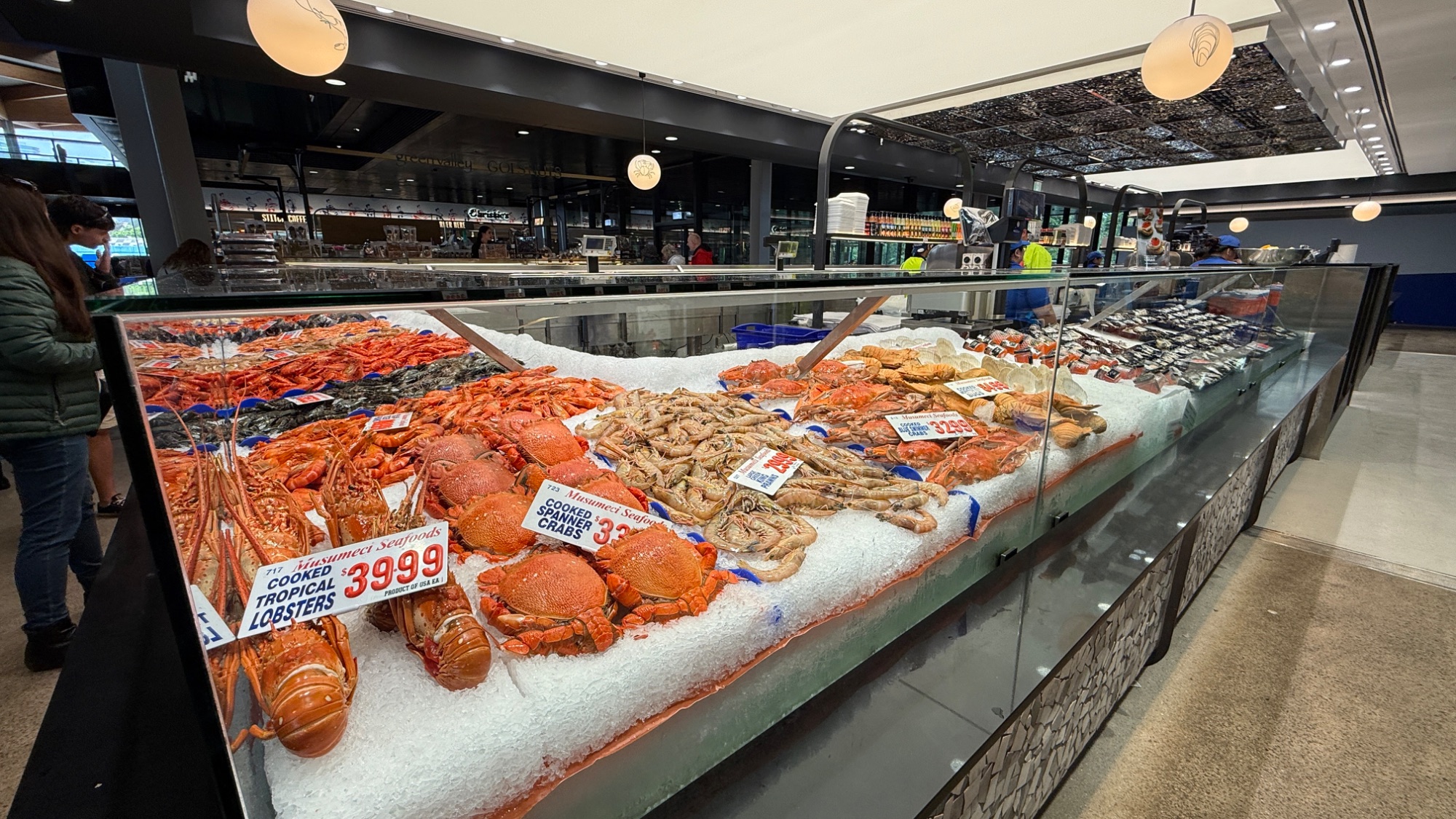
The meal was less successful. Many counters sell ready-cooked seafood, the choices felt repetitive, and the prices were not exactly a bargain. One fish we bought was especially disappointing. We left most of it uneaten. Outside, gulls were circling nearby, so we decided to share the leftovers. That was when lunch finally got interesting.
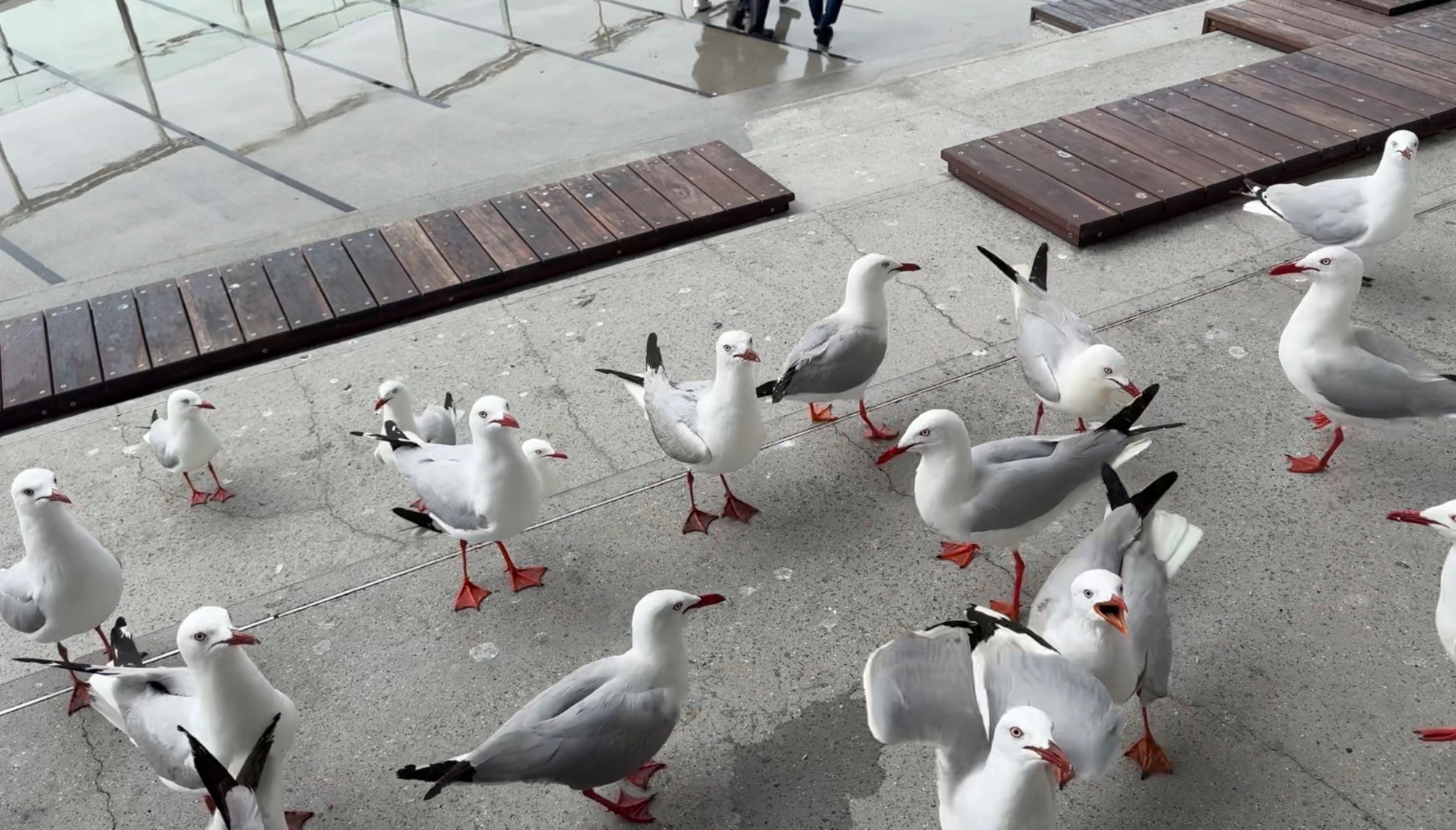
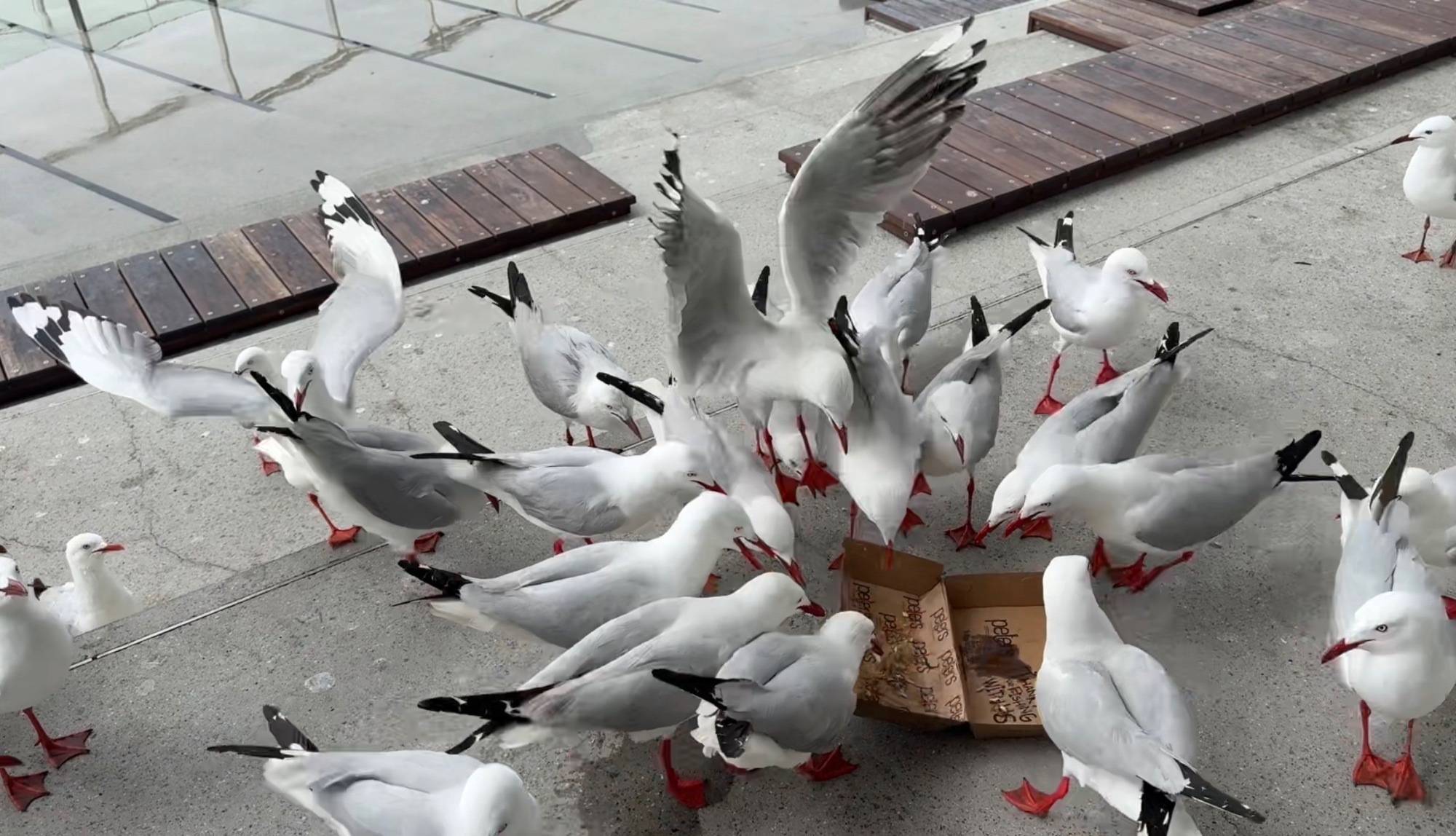
We tossed out one piece of fish and a gull swooped in. Then more arrived from every direction. Within moments, at least thirty gulls had gathered, and we were a little alarmed. These were not the relaxed birds you see strolling along a beach. They yelled with their beaks wide open, stretched their necks to intimidate one another, and occasionally launched themselves straight into a rival. Whoever grabbed a piece hurried off while the rest gave chase. We thought we were feeding a few birds; we nearly staged a gull-sized battle royale.
Queen Victoria Building: a shopping centre worth visiting for the building
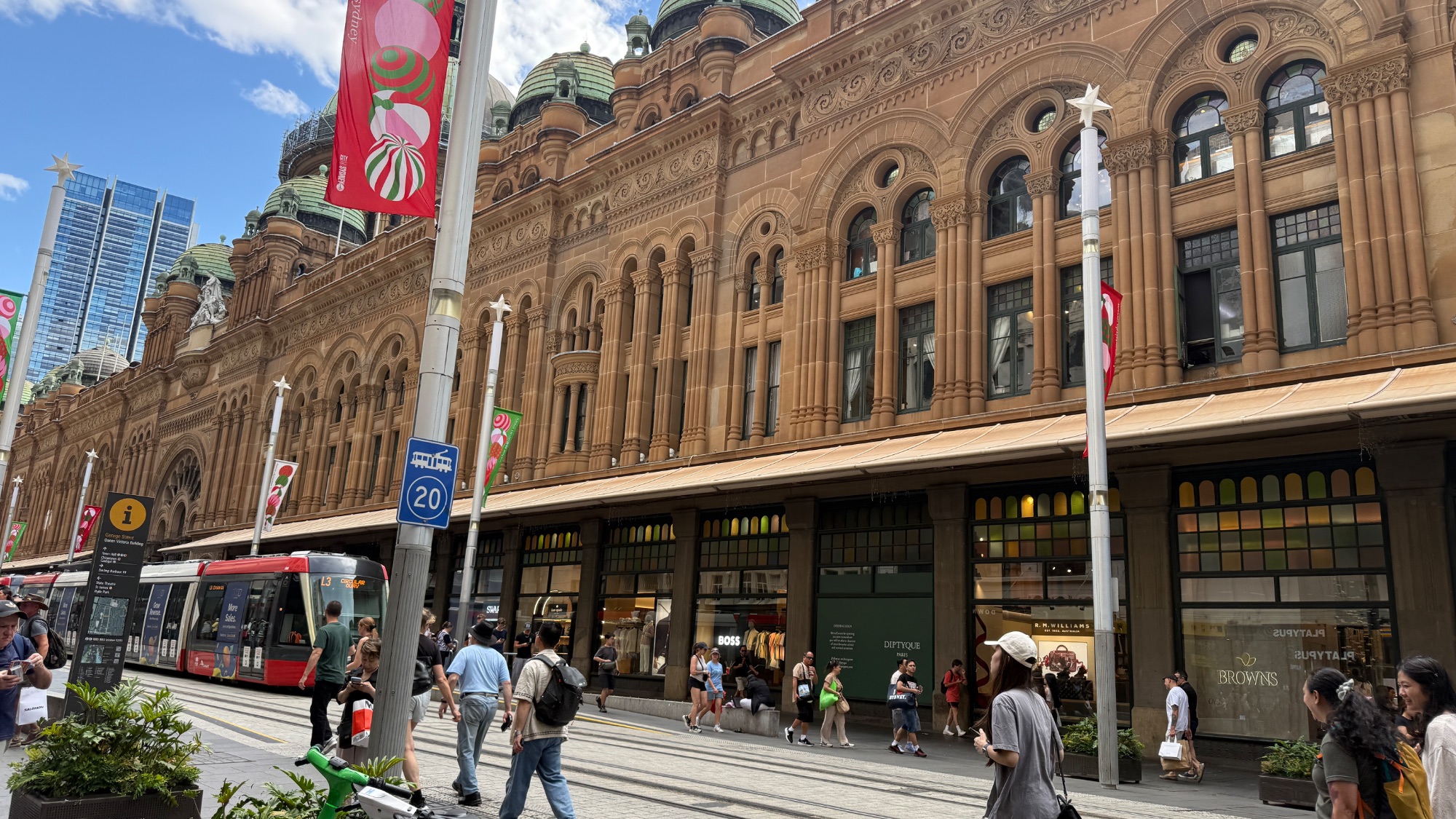
In the afternoon we visited the Queen Victoria Building, or QVB. Completed in 1898, its grand façade stretches across almost an entire city block and makes quite an entrance.
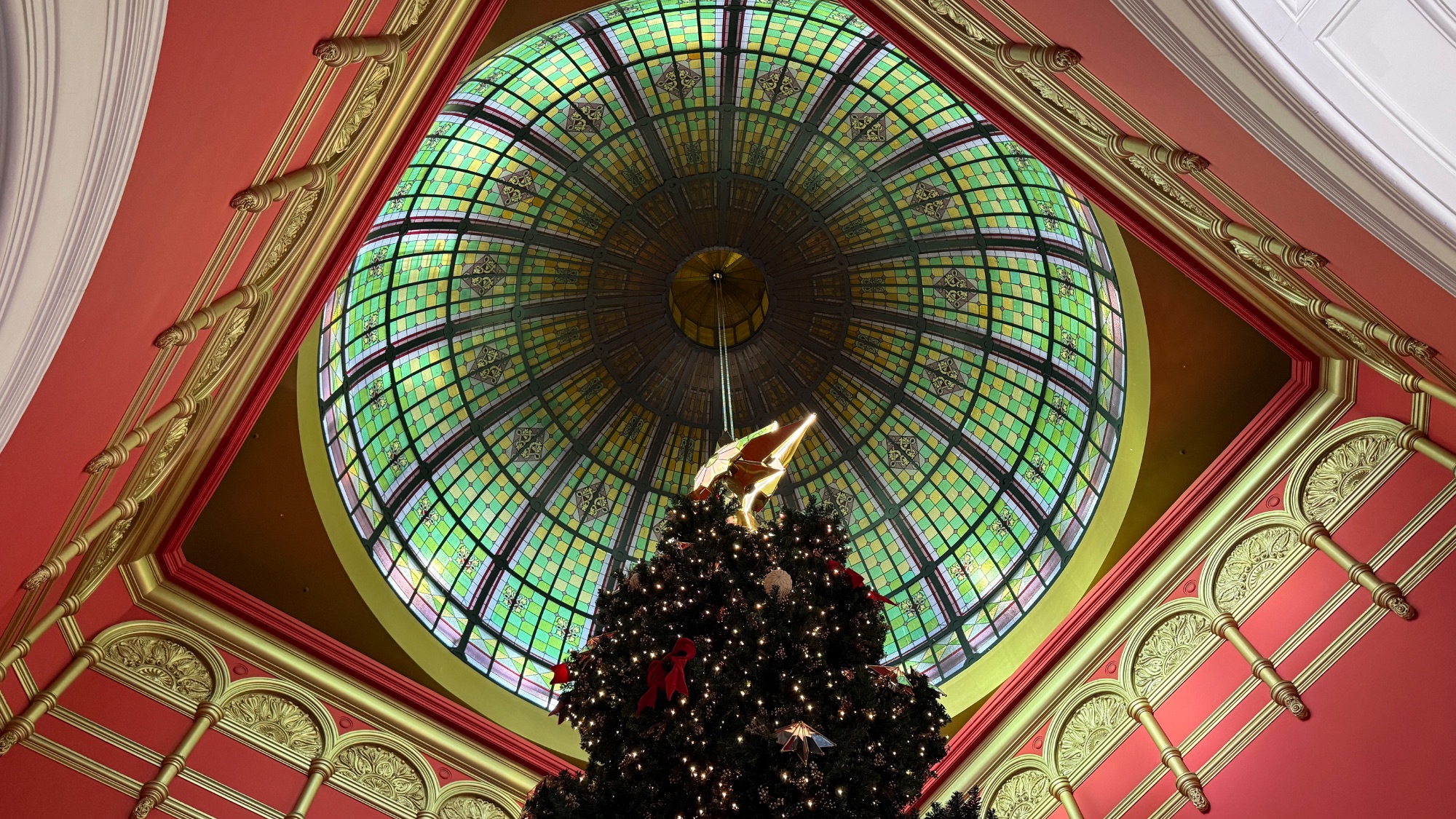
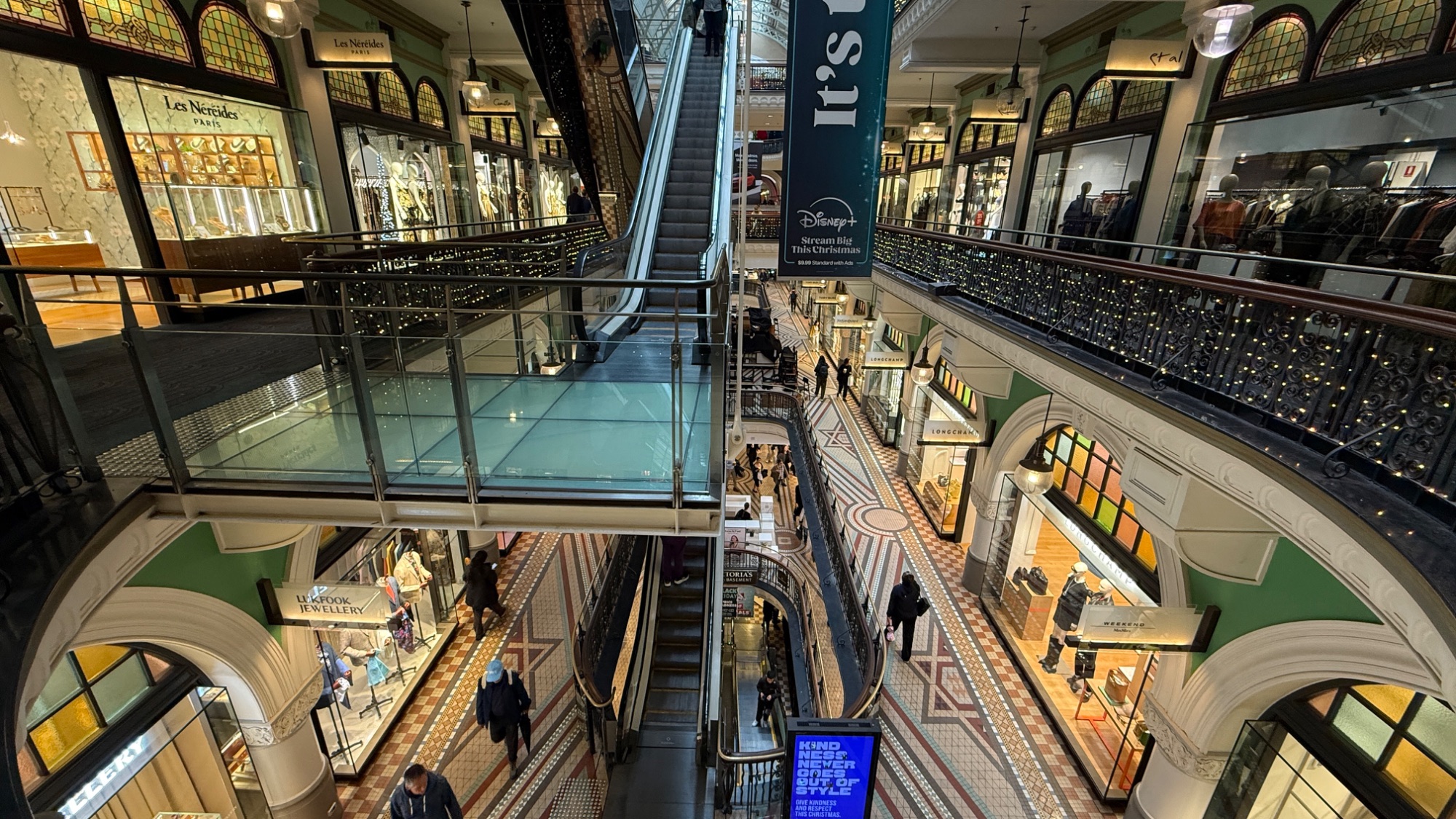
Inside, the four shopping levels open onto a soaring central arcade. Mosaic floors, ornate domes, decorative railings, and modern escalators all share the same space. We went up to the top floor and looked down over the atrium; the stacked galleries and intricate details are spectacular.
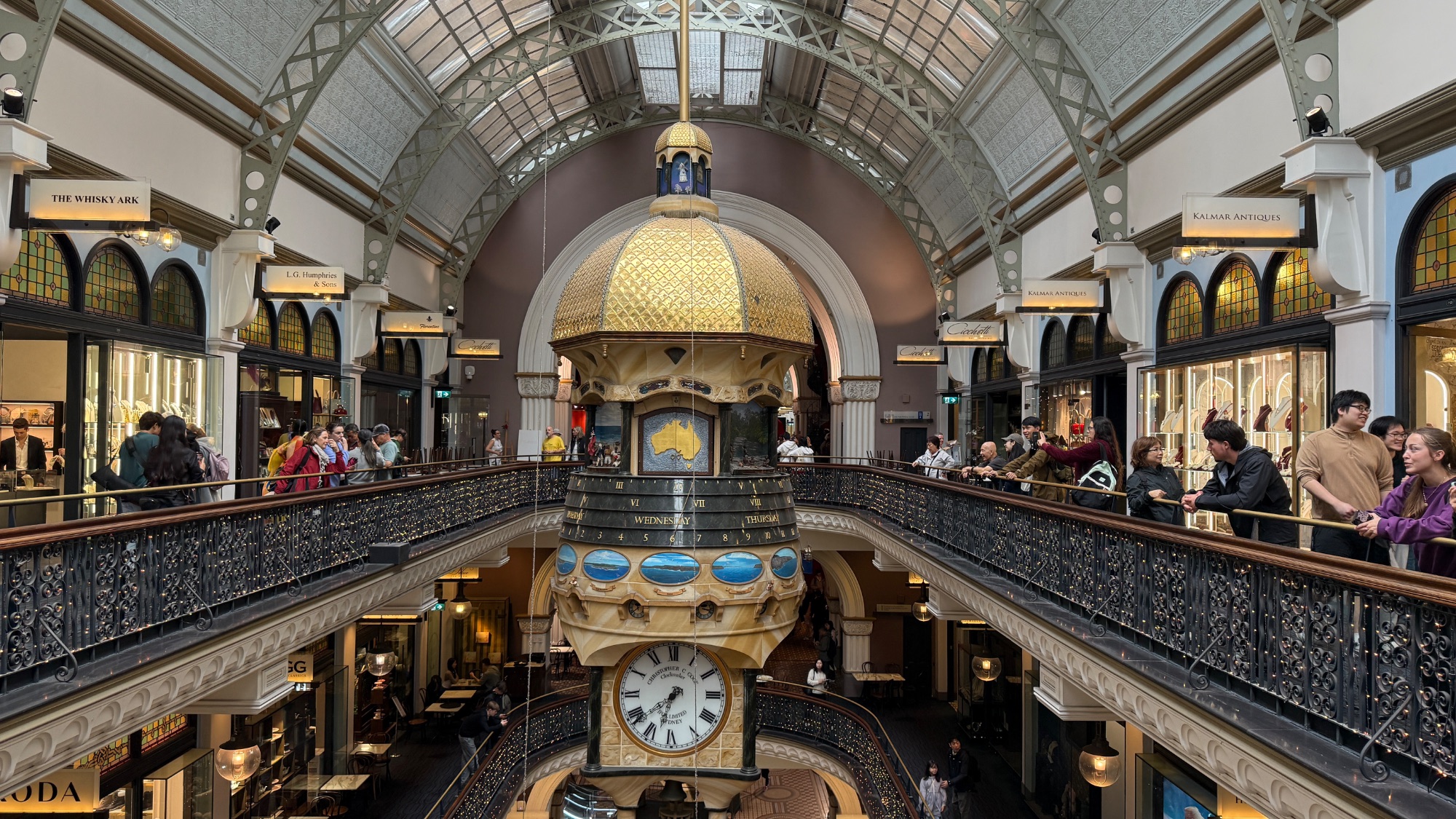
Two elaborate clocks hang over the atrium. The Great Australian Clock does more than tell time: its moving mechanisms depict scenes from Australian history. The Royal Clock looks like a miniature European castle and is decorated with scenes linked to the British monarchy. They are so detailed they could be museum pieces—and they lend the whole building an extra layer of old-world theatre.
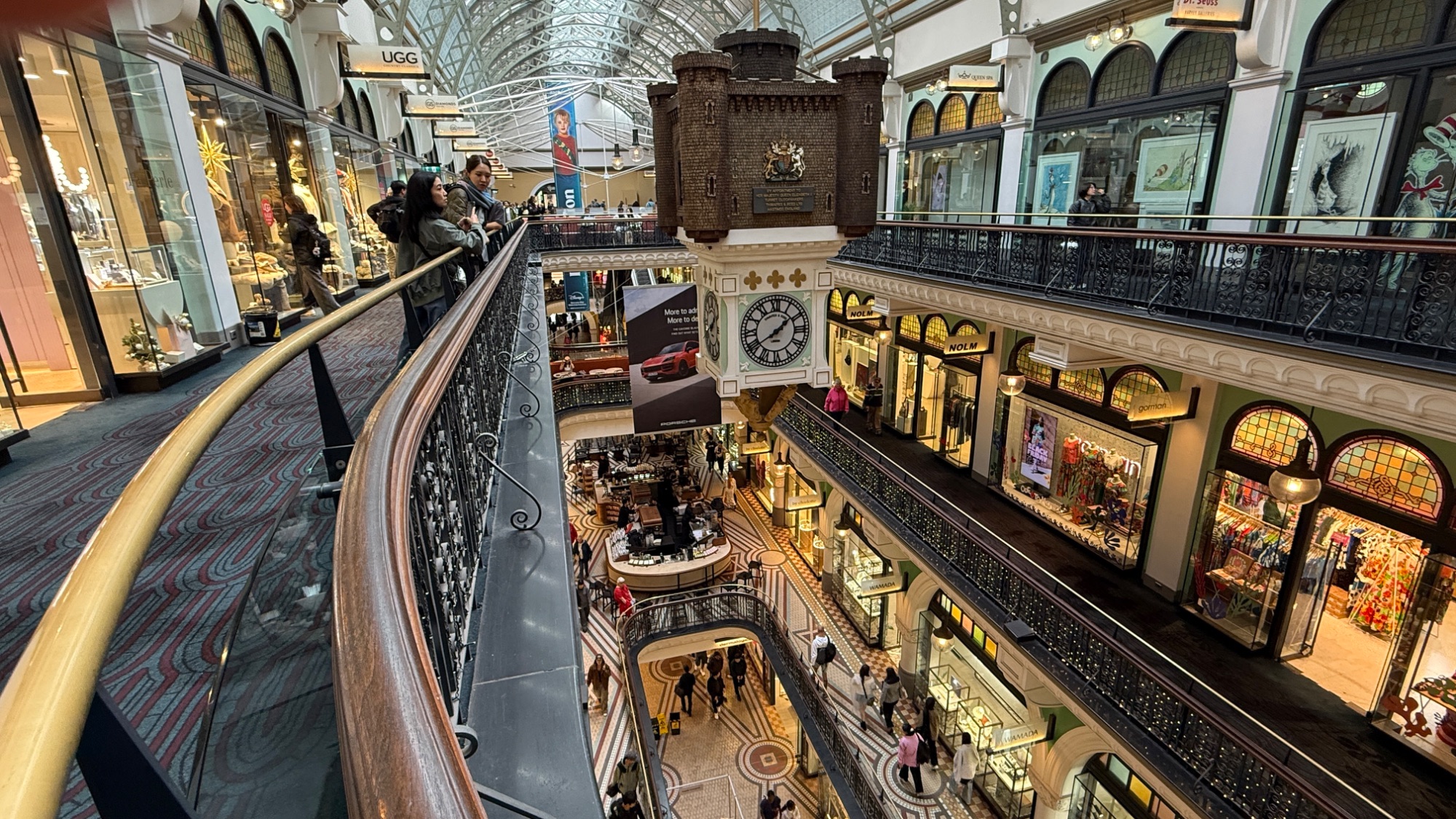
The QVB has had a close call. It began life as a large market, then gradually declined and was eventually used for city offices. In the mid-twentieth century, Sydney’s government even considered demolishing it for an underground car park. Public opposition helped save the building. After extensive restoration, it reopened in 1986. Looking at it today, it is hard to believe this landmark once came close to being flattened.
Unlike many American malls, the QVB is not dominated by a handful of department stores. Small, elegant shops line the long arcades, making a stroll feel more like wandering an old European shopping street. We were also surprised to discover the network of pedestrian passages below the building. We set out for a casual browse and followed the underground shops all the way toward Sydney Tower. The city centre is busy above ground—and a bit of a connected maze below it.
Sydney Tower: how does that skinny column hold up 309 metres?
Our last stop was Sydney Tower. Opened in 1981, it rises 309 metres and is the tallest structure in Sydney. Its shape is hard to miss: a slender shaft topped by a broad, golden disc. The shaft is only about 6.7 metres across, while the circular structure above is roughly 31 metres wide. From a distance, it looks like a very skinny column carrying a very large hat. The engineering is more involved than it first appears. Fifty-six steel cables help steady the tower against strong winds, and a tank holding about 162,000 litres of water sits near the top. It supports fire protection and forms part of the building’s damping system. In high winds, the tower is designed to move a little; its structure and damping systems keep that movement under control.
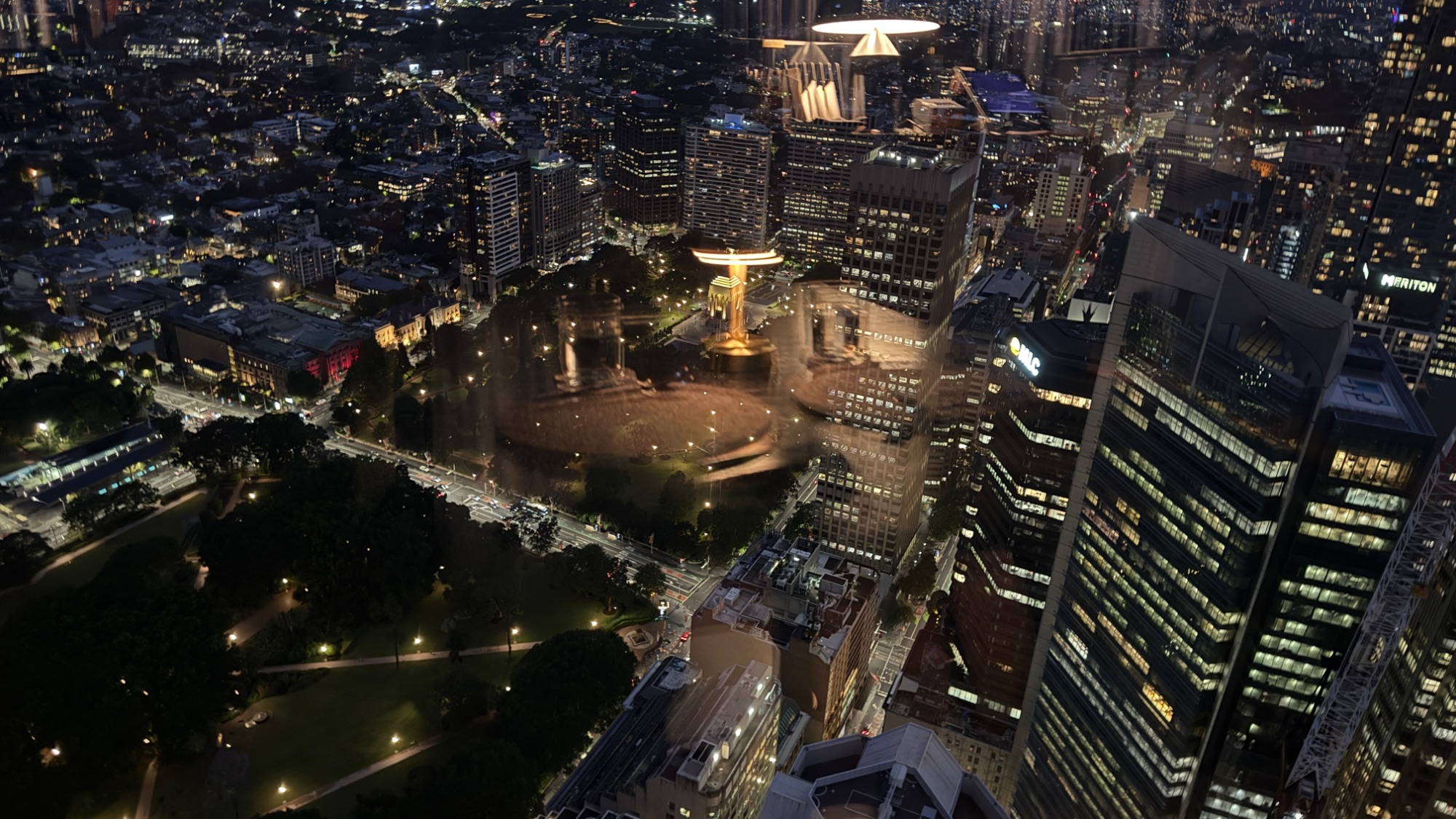
We booked dinner at Infinity by Mark Best, the revolving restaurant high in the tower. We assumed a famous restaurant with a view would need to be reserved well in advance. A quick search the day before revealed plenty of tables. When we arrived, we understood why: the dining room was surprisingly quiet, perhaps only about one-sixth full, and most guests seemed to have a window seat. The restaurant turns slowly, making a full rotation in about 77 minutes. We stayed put while the city outside kept changing.
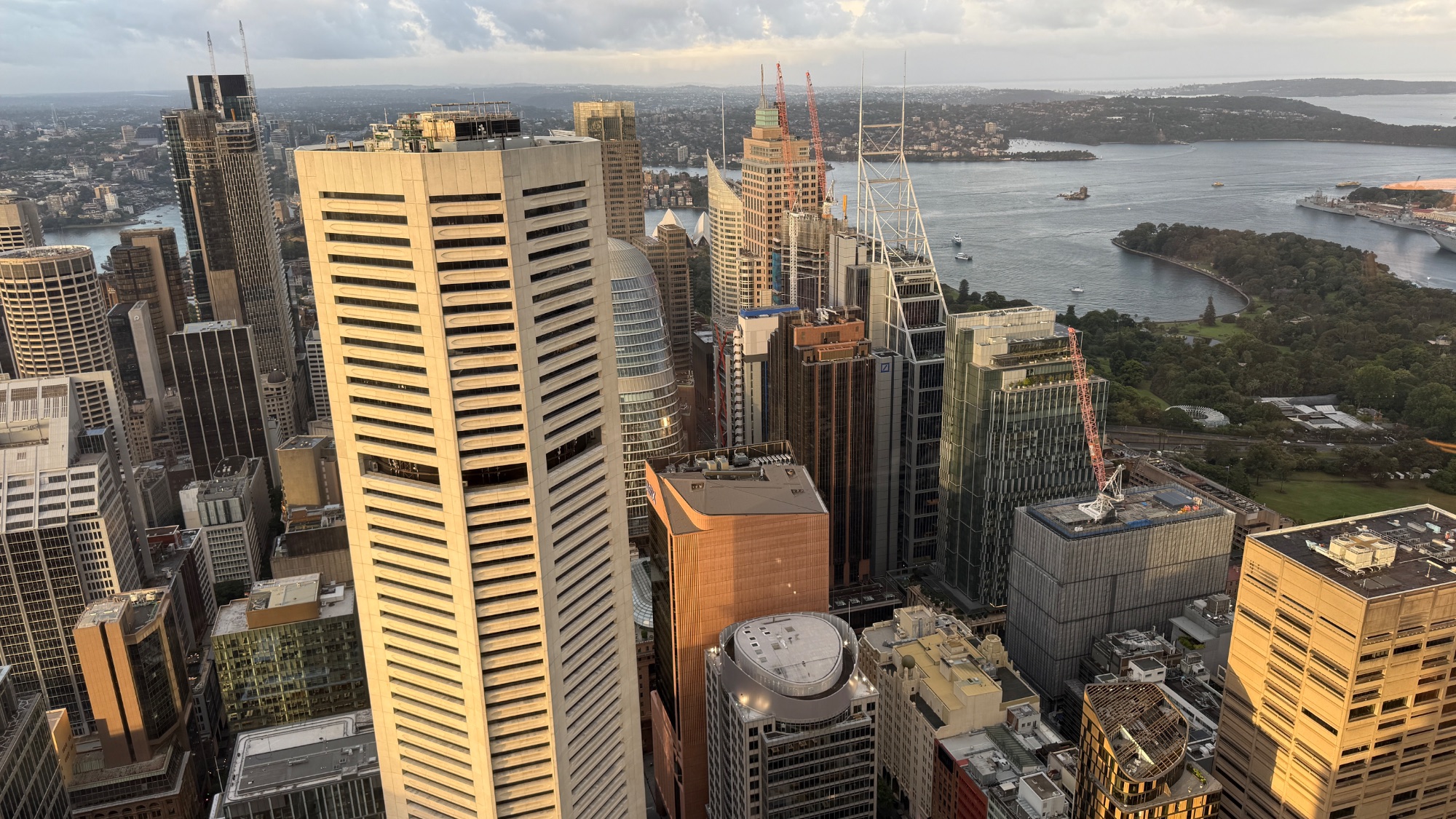
From up there we spotted some unusual buildings, including the white, octagonal MLC Centre designed by architect Harry Seidler. Built in the 1970s, it was once among Australia’s tallest skyscrapers. There was one small disappointment: despite Sydney Tower’s height, other buildings block much of the view toward the Opera House, so we couldn’t see the landmark in full.
A chef’s creative menu delivers a sweet surprise
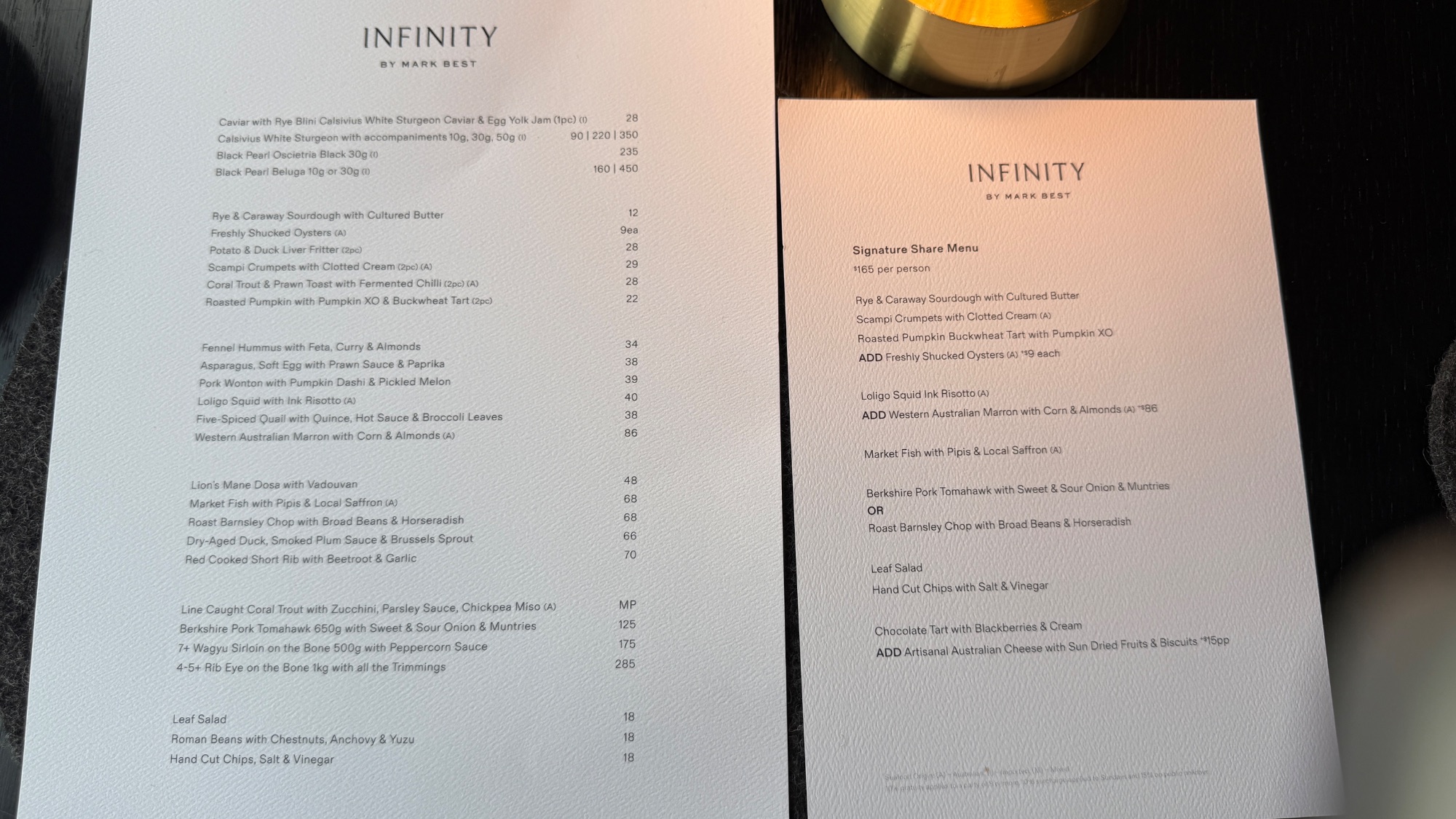
The restaurant is called Infinity by Mark Best because the celebrated Australian chef guides its culinary direction. Best previously ran Sydney’s Marque, which earned the top three-hat rating in Australia’s Good Food Guide for more than a decade and appeared on a World’s 50 Best Restaurants list. In 2025, he began shaping Infinity’s menu, aiming to make it a destination for the food as well as the view. His title is Culinary Director; that does not mean he personally cooks every dish. The idea is to use local Australian ingredients and modern techniques in more imaginative ways.
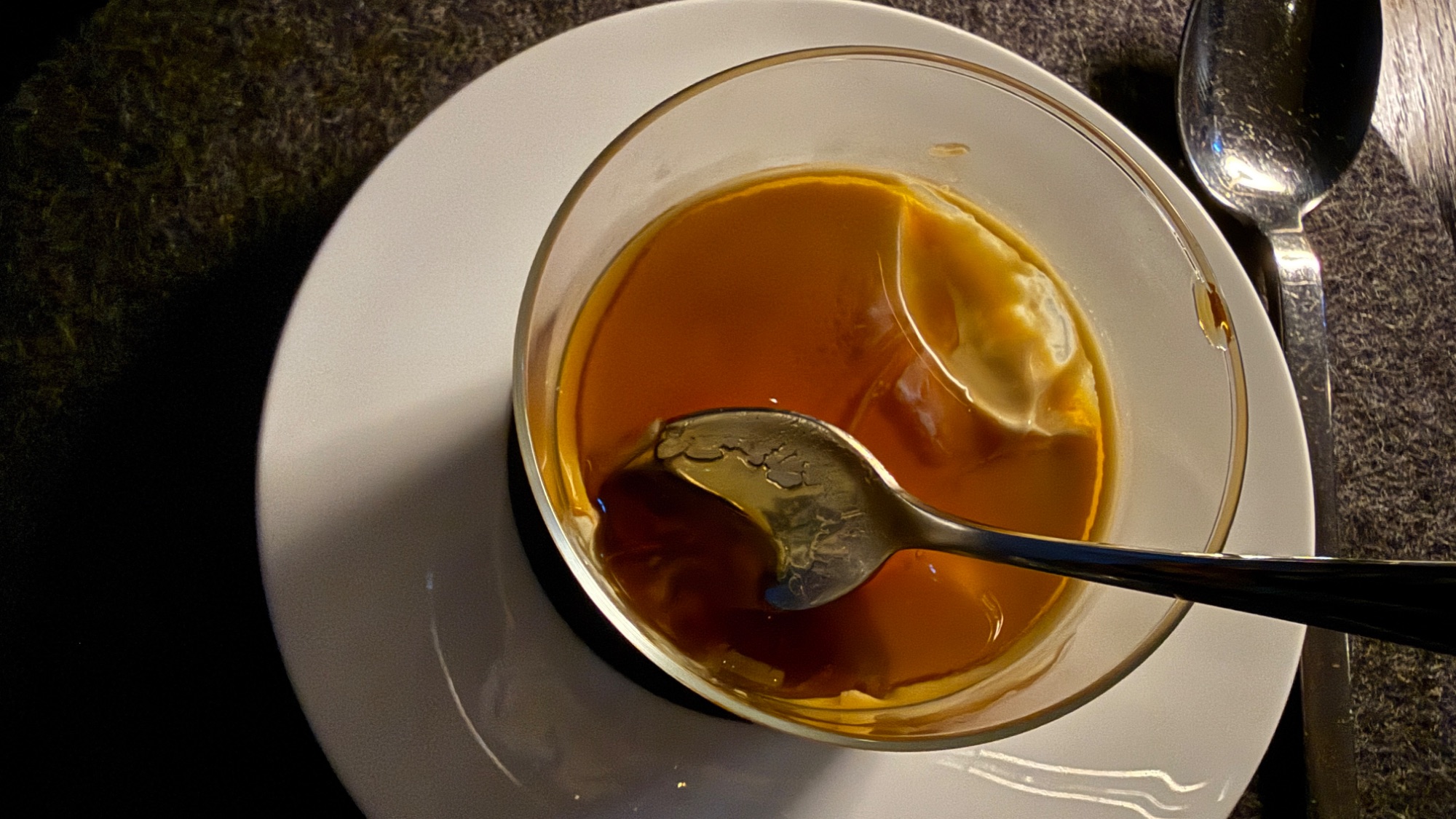
The dishes we ordered were all very good, but dessert was the surprise of the evening: Sweet Wine Custard with Bitter Caramel. The custard was silky and rich with wine; the caramel was distinctly bitter rather than simply sweet. Wine, bitterness, cream, and sweetness should not necessarily work together this well, yet they did. The flavours seemed to melt together on the tongue into something difficult to describe—and very easy to remember.
As we ate, the daylight faded and the city’s towers began to light up one by one. Our table continued its slow turn while Sydney moved from dusk into night, opening up around us in every direction.
Looking back, the day took us from a convict barracks built two centuries ago to a polished dinner 309 metres above the ground. The rain had changed our plans, but it had also led us through a side of Sydney far beyond the Opera House and Harbour Bridge.
Reader Discussion · 0
No comments yet. Be the first to share your experience.